
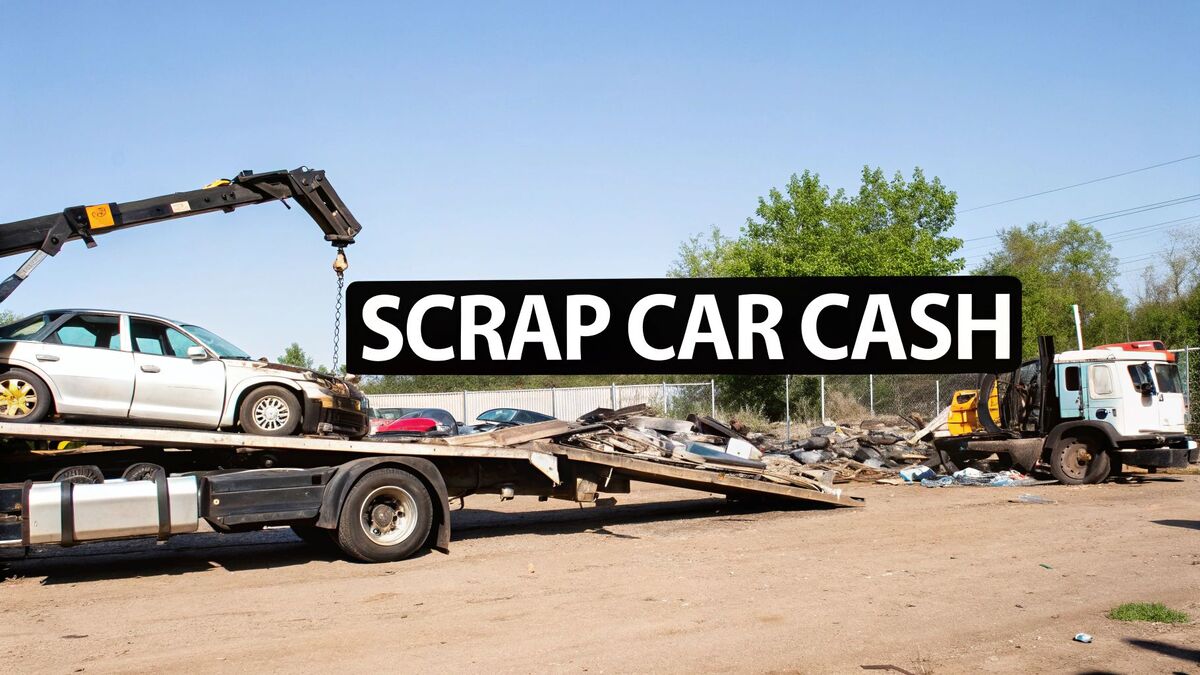
When Is Scrapping Your Car the Right Move?
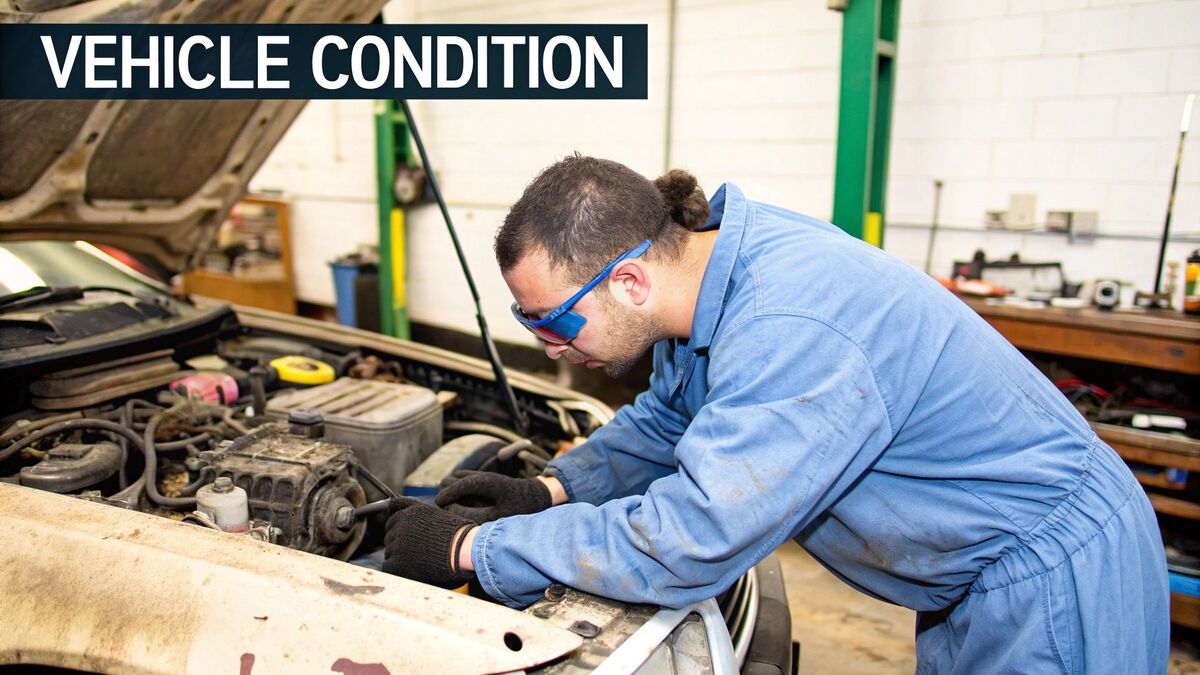
Sometimes sending your old car to the scrapyard is simply the most logical, financially sensible thing to do. The most obvious time is a massive repair bill — if the engine's blown and the fix costs $4,000 but the whole car is worth $1,500 on a good day, scrapping means you get paid instead of forking out thousands.
After a major accident
If your insurer has declared the car a write-off or it's copped major structural damage, it's no longer safe on the road. Trying to resurrect a heavily damaged vehicle is throwing good money after bad.
If the repair bill is more than 50% of the car's market value, scrapping is almost always the better financial choice.
When it's just old and unreliable
- Constant mechanical issues — it spends more time in the workshop than on the road.
- Serious rust or corrosion — the body or frame is compromised and unsafe.
- It won't pass rego — it needs expensive work just to get a roadworthy certificate.
How to Calculate Your Scrap Car's True Value
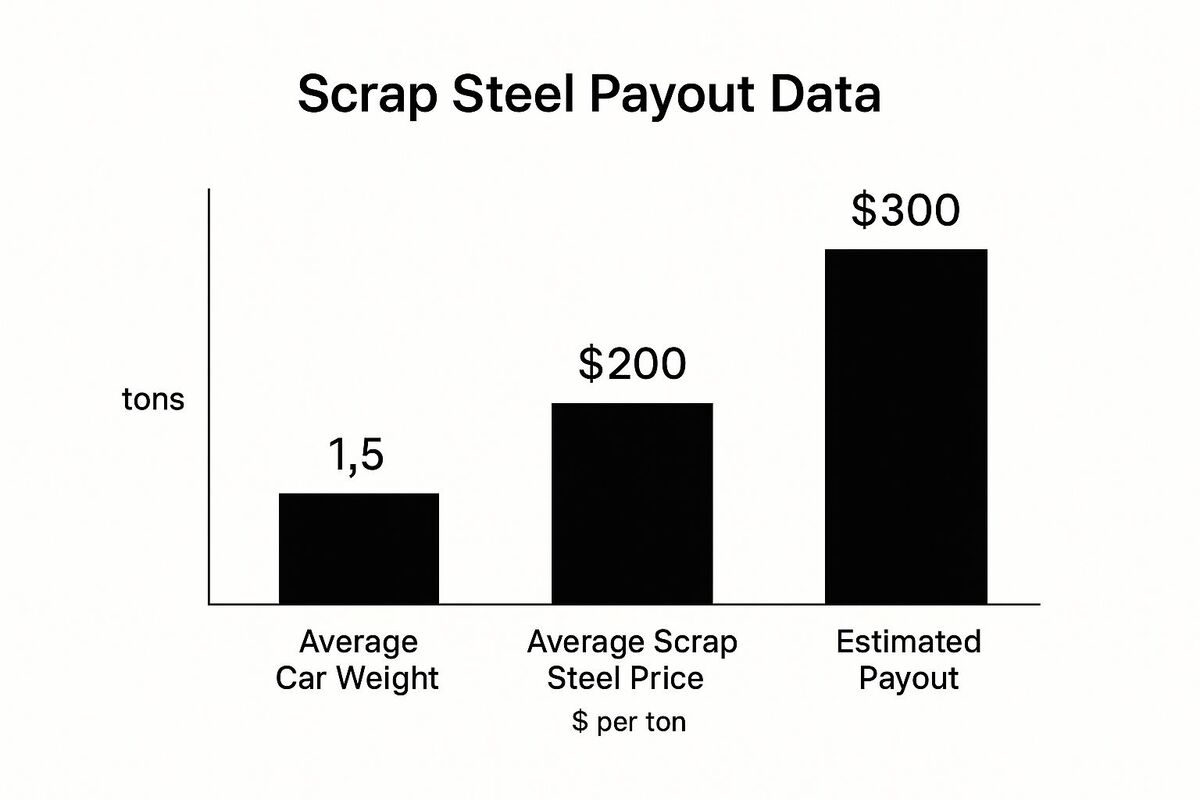
The biggest piece of the puzzle is weight — a scrap car is, at its core, a big chunk of metal, so a heavy ute or sedan starts higher than a small hatchback. Beyond the metal, specific high-value parts boost your offer:
- Engine and transmission — even imperfect, a working or repairable unit is gold.
- Catalytic converter — often the single most valuable part, with platinum and palladium inside.
- Wheels and tyres — a decent set of alloys or tyres with good tread adds a nice bump.
A rough guide to Australian scrap values by condition: an end-of-life vehicle (stripped, major damage) fetches $300–$800; a non-running car with most parts intact, $500–$1,500; a running car with major mechanical issues, $1,000–$4,000; and a wrecked-but-repairable late model, $2,000–$9,000+.
Getting Your Car Ready for Collection
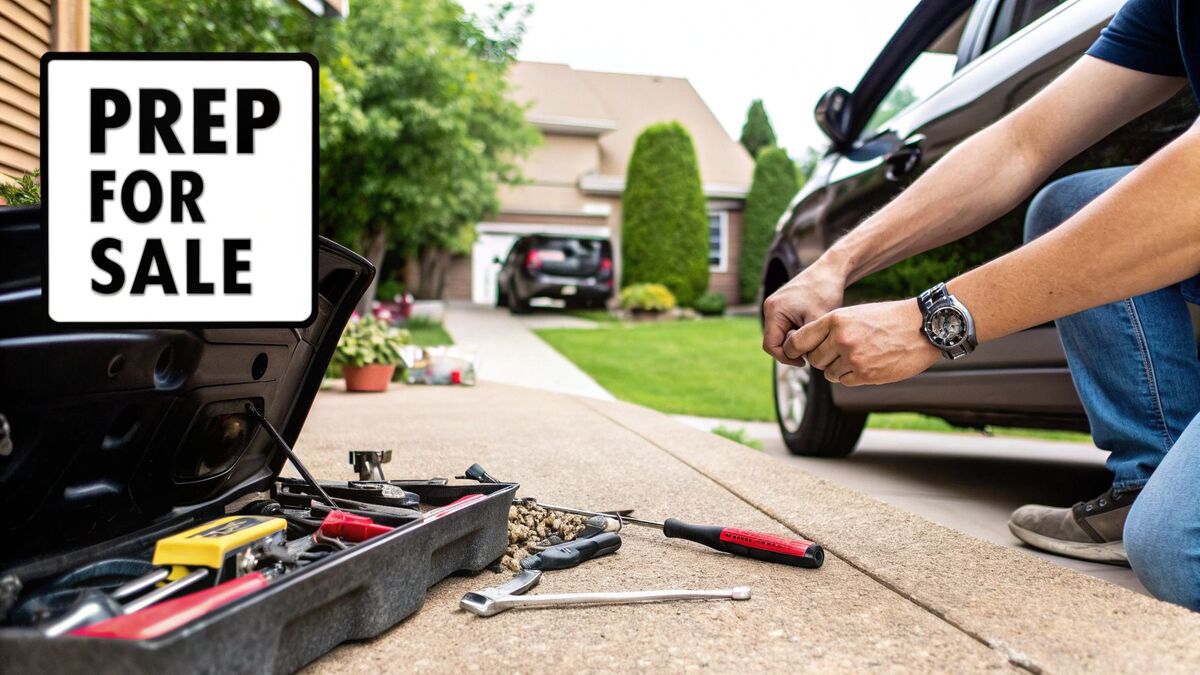
Clear out all your personal belongings — once it's gone, it's gone for good. Check the glove box and centre console, under the seats and floor mats, and the boot (lift the carpet and check the spare tyre well).
The scrap buyer's offer is for the whole car, based mostly on its weight. Anything you can pull off and sell yourself — like premium tyres or a quality stereo — is straight-up profit.
You must remove your number plates — in Australia the plates stay with you, not the car — and hand them to your transport authority to de-register the vehicle. Fluids like petrol and oil can be left as they are; professional scrap car removal services drain everything safely as part of the process.
Navigating the Paperwork Without the Headaches
Getting the paperwork right is your legal shield against fines or issues tied to the vehicle after it's towed. You'll need:
- Proof of ownership — your registration certificate, proving the car is legally yours to sell. No certificate, no deal.
- Personal identification — a valid Australian driver's licence or other government photo ID.
Lodge a Notice of Disposal to officially inform your state's transport authority that you've sold the vehicle, releasing you from future liability.
When the tow truck arrives, sign the transfer section on your registration papers and get a proper receipt or bill of sale listing the buyer's business name and ABN, the date, the amount paid, and your car's details — especially the VIN. Don't let the driver leave without giving you one.
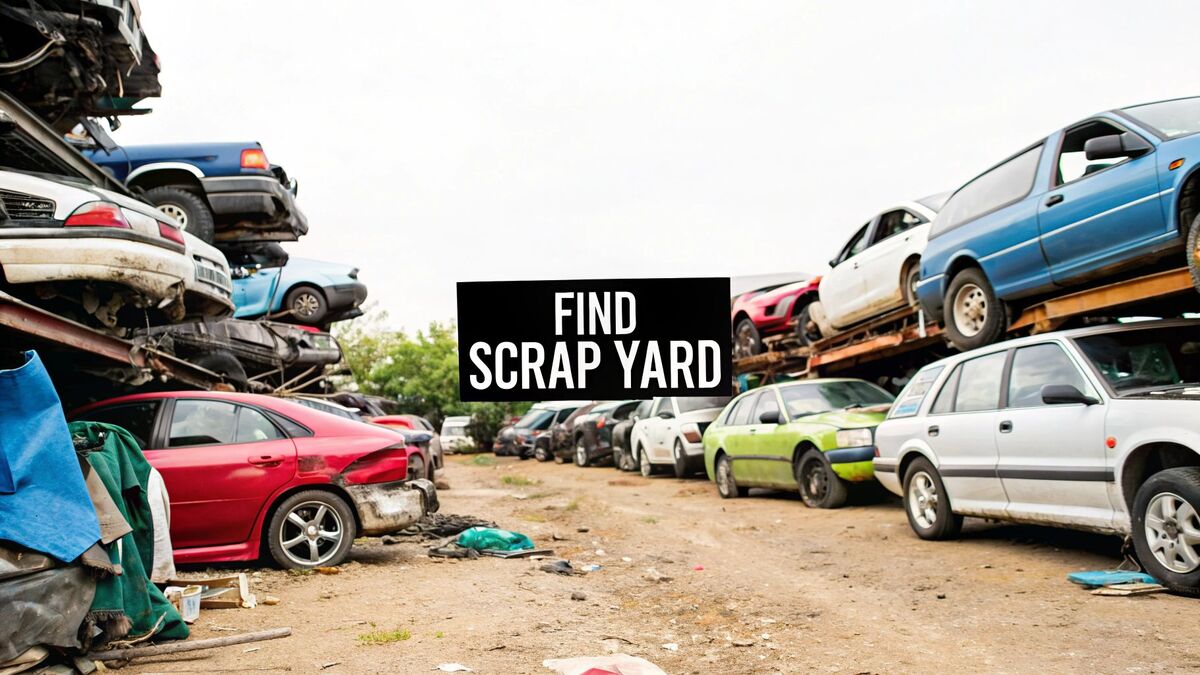
How to Choose a Reputable Scrap Car Buyer
Choosing the right buyer is the most critical part of the process. Steel makes up about 70% of your car's weight and there are plenty of legitimate buyers, but you've got to be smart about who you choose:
- Licensing and insurance — a professional wrecker is a licensed business that follows environmental laws for draining fluids.
- A solid online reputation — a long history of positive feedback on fair prices, punctuality, and clear communication.
- Clear, upfront quotes — a firm quote they stick to, with no last-minute haggling or sneaky deductions.
The best companies provide an all-in service, and that always includes free towing.
Be wary of "cash only" deals with no paperwork, and sidestep high-pressure tactics — if you feel rushed, it's usually because the offer won't stack up against the competition.
The Final Handover: Getting Paid and Saying Goodbye
The driver gives the car a quick once-over and checks the VIN against your paperwork — then you sign off on the transfer. Take your time and double-check every detail before handing over the keys. Payment usually comes as cash in hand, a bank transfer (secure, with a digital trail, landing by the next business day), or occasionally a cheque.
Never let your car be towed away without a receipt or a bill of sale in your hand.
Got Questions About Scrapping Your Car?
What if I can't find my registration papers?
Don't stress — while having the rego papers makes things quicker, any licensed wrecker can verify ownership using your car's VIN and your driver's licence. Give them a heads-up when you book the pickup.
Do I have to pay for towing?
Absolutely not. With a professional cash-for-cars service, free towing is always part of the deal — the quoted price is the exact cash you should have in hand when they leave.
What happens to my car after they take it?
It's depolluted (all harmful fluids drained and disposed of safely), salvaged (working parts removed, cleaned, tested, and resold), and finally the metal shell is crushed, shredded, and melted down into new steel products.
We offer competitive cash prices with on-the-spot payment and free towing anywhere in Adelaide.