
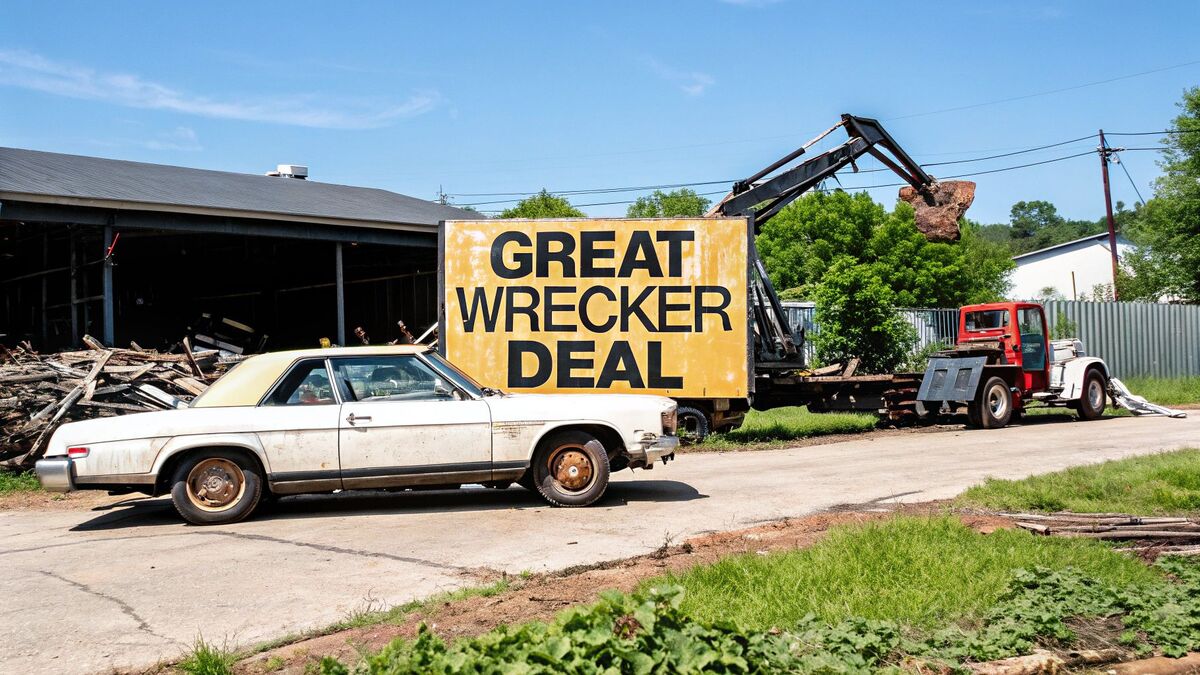
That old car gathering dust in your driveway isn't just an eyesore — it's a pocket of cash waiting to be released. When a car is well past its prime, selling it to a wrecker is often the smartest move: a straightforward way to get instant cash without the headaches of a private sale, and it's surprisingly eco-friendly too.
Why Selling a Car to Wreckers Is a Smart Choice
Trying to sell a vehicle that's seen better days through the usual channels is a pain — repairs, a roadworthy certificate, then a parade of low-ballers. Wreckers have a different perspective: they're not bothered by a dented fender or a worn engine, because they see the value in every salvageable part and the raw weight of the scrap metal.
The financial and practical perks
- No roadworthy required: you sell the car exactly as it is, where it is.
- Instant cash offers: a quote in minutes, and often paid the same day.
- Free vehicle removal: any decent wrecker picks up and tows your car away for free.
An environmentally conscious decision
Wreckers safely drain and dispose of harmful fluids like oil, coolant, and transmission fluid, preventing them from seeping into our soil and waterways. The Australian auto wrecking industry — around 990 registered businesses employing about 3,800 people — ensures up to 80% of every vehicle is recycled or reused.
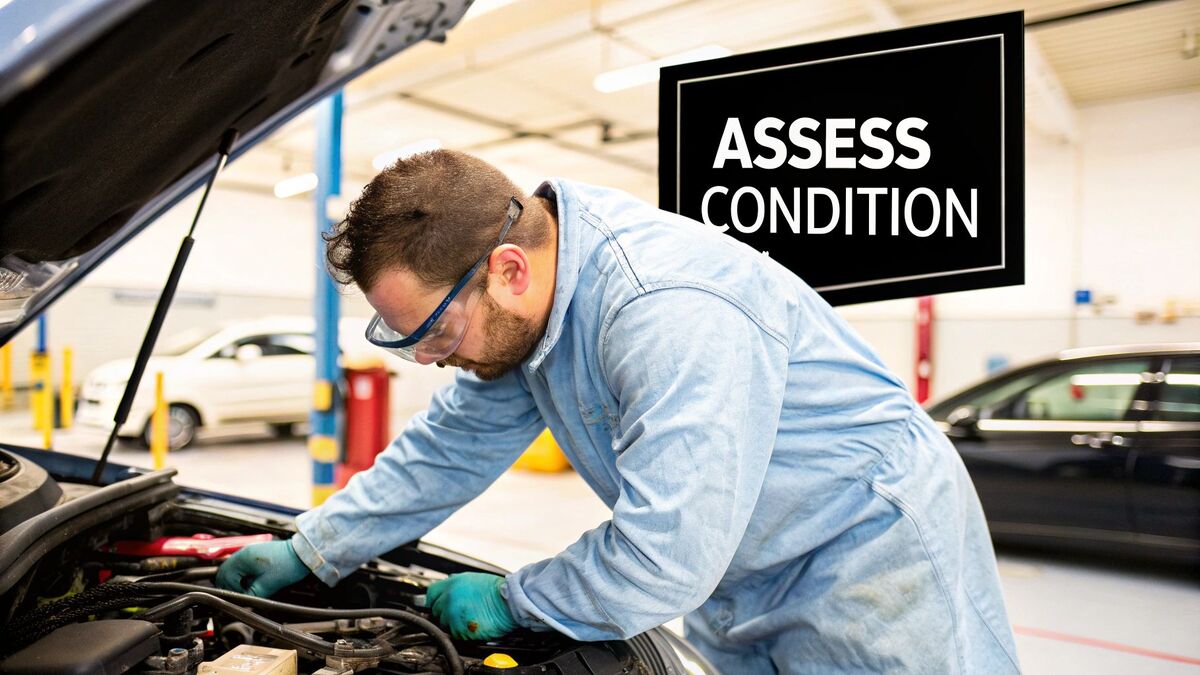
How Wreckers Actually Value Your Car
The starting point for any valuation is your car's weight in scrap metal — the baseline value, even if nothing else works. But the real money is often in the parts:
- The engine and transmission: if these core components are in reasonable shape, you're looking at a much better price.
- Catalytic converter: packed with precious metals like platinum and palladium.
- Body panels and interior bits: straight doors, an undamaged bonnet, or clean seats and dashboards are always needed for repairs.
The main factors a wrecker weighs up: make, model and year (popular models have higher parts demand), overall condition (which parts are salvageable), scrap metal weight (heavier vehicles start higher), reusable parts (the real money-makers), and the odometer reading (lower km means less wear on valuable components).
A bit of honesty upfront saves everyone time. The more detail you give them, the less likely you are to get a surprise when they come to inspect it.
Getting Your Paperwork Ready for a Smooth Sale
The absolute must-have document is your proof of ownership — your registration certificate or title. Along with that, you'll need a valid photo ID so the wrecker can verify the seller matches the title. Pull together:
- Proof of ownership — registration papers or the vehicle's title.
- Photo ID — a current driver's licence is easiest.
- Service history — not a deal-breaker, but good form to hand over the logbooks.
Don't forget to give the wrecker every key you have. Once you've agreed a price, lodge a notice of disposal — officially telling the transport authority the car is no longer yours.
Think of the notice of disposal as your legal protection. It's what protects you from future speeding fines, parking tickets, or toll charges.
Finding a Car Wrecker You Can Trust
Start in your own backyard. A quick search for local wreckers gives you a list, but the real gold is in their track record — check Google or Facebook reviews for consistent feedback about fair prices, punctuality, and professionalism. A trustworthy wrecker will always be fully licensed and insured. When you reach out for a quote, watch for:
- Honest quotes: a clear, no-obligation offer based on the info you provide.
- Free towing, no excuses: if they try to charge for towing, walk away.
- The offer is the offer: the quoted price is what you should get paid, provided you described the car accurately.
The Australian car dismantling industry is fragmented — no single company holds more than a 5% share — so there's real competition. Don't take the first offer; a few extra minutes getting quotes can seriously boost your payout.
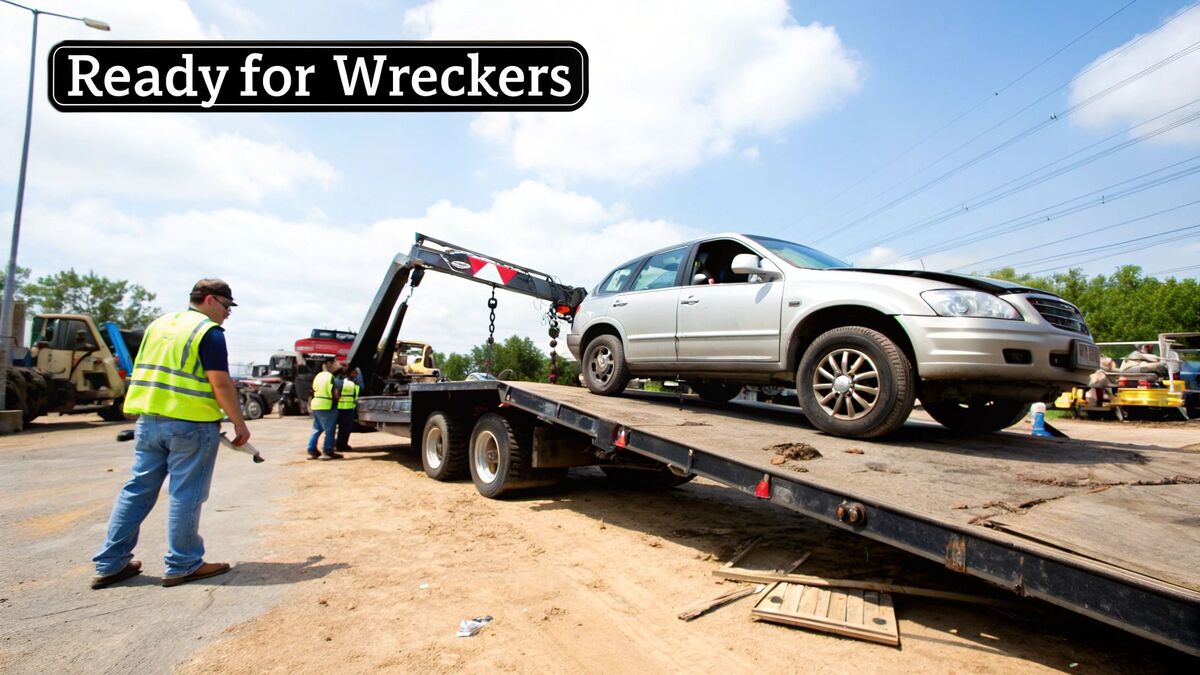
Finalising the Deal and Getting Paid
Give the car a final clean-out, then remove the number plates to hand in at your transport authority and claim back any registration credit. When the driver arrives and confirms the vehicle matches your description, it's payday. The two most common methods:
- Cash on the spot: the cash in your hand before they hook up the car.
- Instant bank transfer (Osko/PayID): secure, fast, with a digital receipt.
Never hand over your keys or sign the notice of disposal until you have the cash or see cleared funds in your account.
The removal itself should always be 100% free. One last thing: call your insurer to cancel the policy on a car you no longer own.
Common Questions About Selling to Wreckers
Does my car need to be running?
A definite no. Wreckers buy cars in any condition — running, completely dead, smashed up, or a rusty shell. The value is in the salvageable parts and scrap metal.
What if my car is missing parts?
That's fine — just be upfront when you ask for a quote. Your offer will reflect what's there, but it's never a deal-breaker. Missing battery? Wreckers have the gear to winch non-runners. No tyres or stripped interior? It affects the price, but there's still value in the shell and mechanicals.
What happens to my car afterwards?
A licensed wrecker first drains all hazardous fluids under strict environmental guidelines, then dismantles the car, salvaging every part with life left in it for resale. Only then is the leftover shell shredded and recycled — up to 80% of your car gets repurposed.
We offer competitive cash prices with on-the-spot payment and free towing anywhere in Adelaide.