
When a car is damaged, old, or has serious mechanical problems, you can often get more money for it by selling it for parts rather than whole. The idea is to take the car apart and sell the individual components — engine, gearbox, doors, even the stereo — to mechanics, enthusiasts, or people online. It's a great option when the cost of repairs is more than the car is worth.
Deciding If Parting Out Your Car Is Worth the Hassle
It's a serious commitment of time, space, and energy. Usually what gets people thinking about it is major damage — if the car's been written off or the engine has blown, the value of its working parts is often way more than the value of the broken-down car.
When is it a good idea?
Some cars are perfect for dismantling — an older model with a cult following (a classic Holden or Ford) might have parts that are hard to find and in high demand. Even popular everyday models known for certain parts failing can be a goldmine.
Weighing up the effort vs the reward
Be realistic about what's involved: dismantling, inventory (listing, cleaning, photographing each part), listing, negotiating, and shipping heavy awkward items.
If you sink 100 hours into the project just to make an extra $500, you'd probably have been better off selling it to a wrecker for a quick, hassle-free payment.
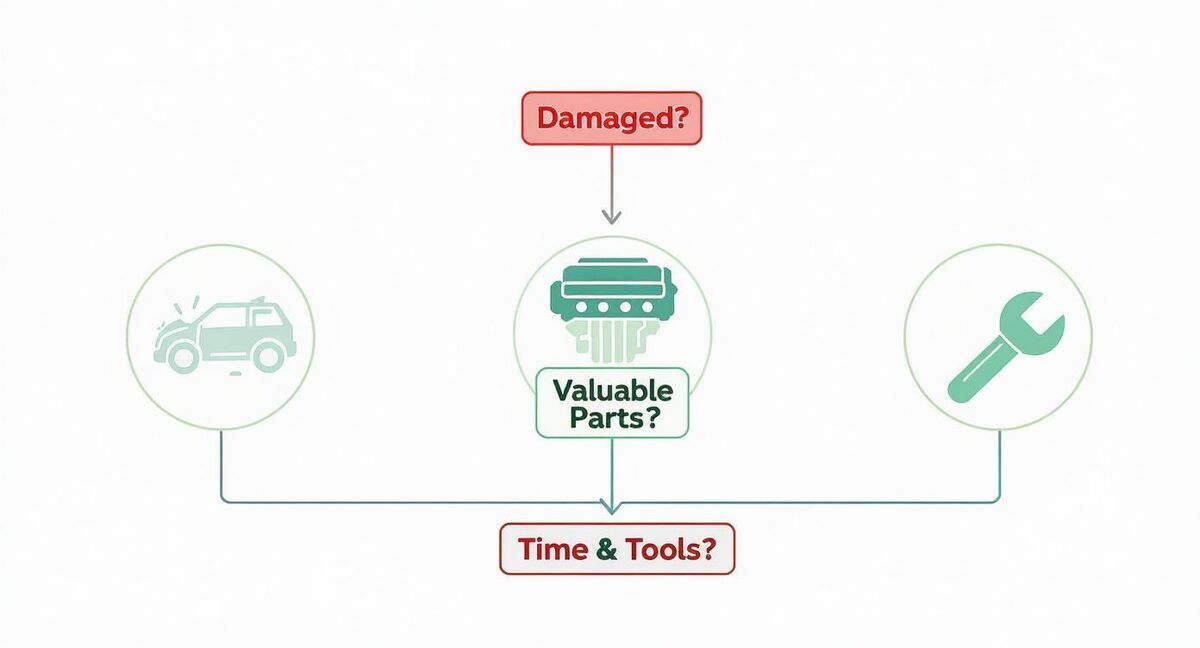
How to Nail the Pricing for Your Car's Components
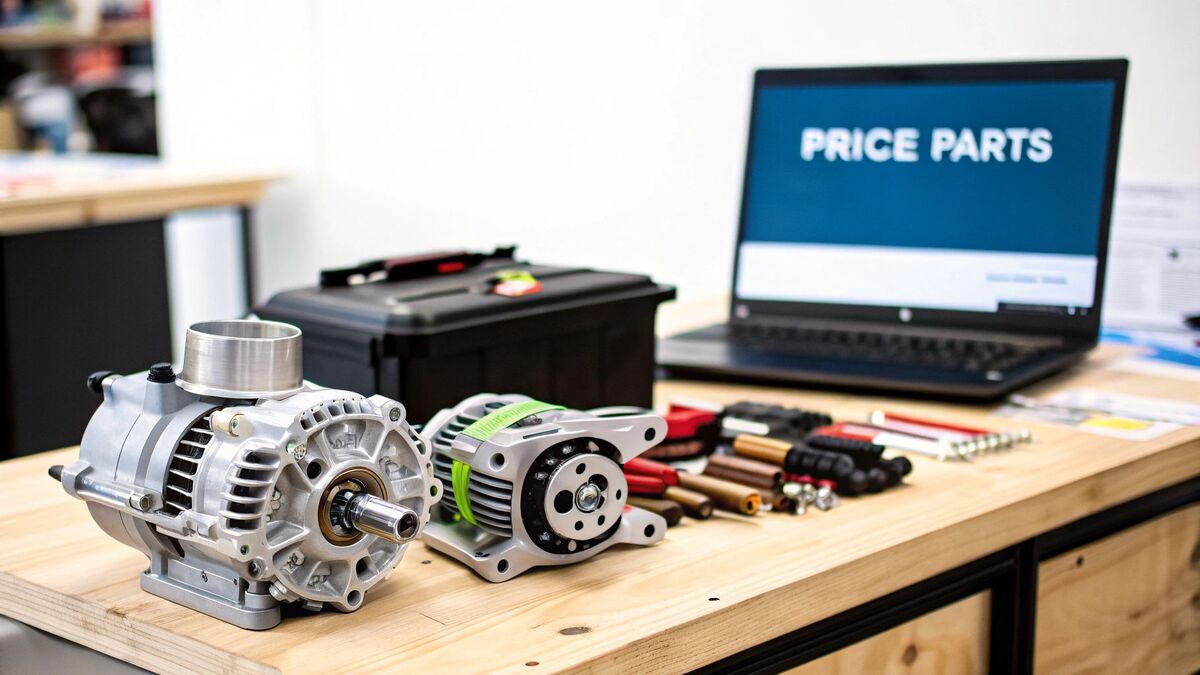
Think of yourself as a parts specialist. Your best friend is real-world data from the places buyers already browse — eBay and Gumtree. Don't just look at asking prices; check the sold listings to see what parts actually sold for. Note the going rates for big-ticket items: the complete engine, the gearbox, headlights and tail lights, doors and body panels, the alternator and starter motor.
A simple 'Excellent', 'Good', or 'Fair' grading system helps. Always be upfront about scratches, dents, or wear — buyers respect honesty and it builds trust.
For mechanical parts, the car's mileage is king — a lower-kilometre component fetches a premium. Don't overlook local wreckers (call for a quote on a specific part as a baseline) and enthusiast forums for niche or classic models.
Creating Listings That Actually Sell
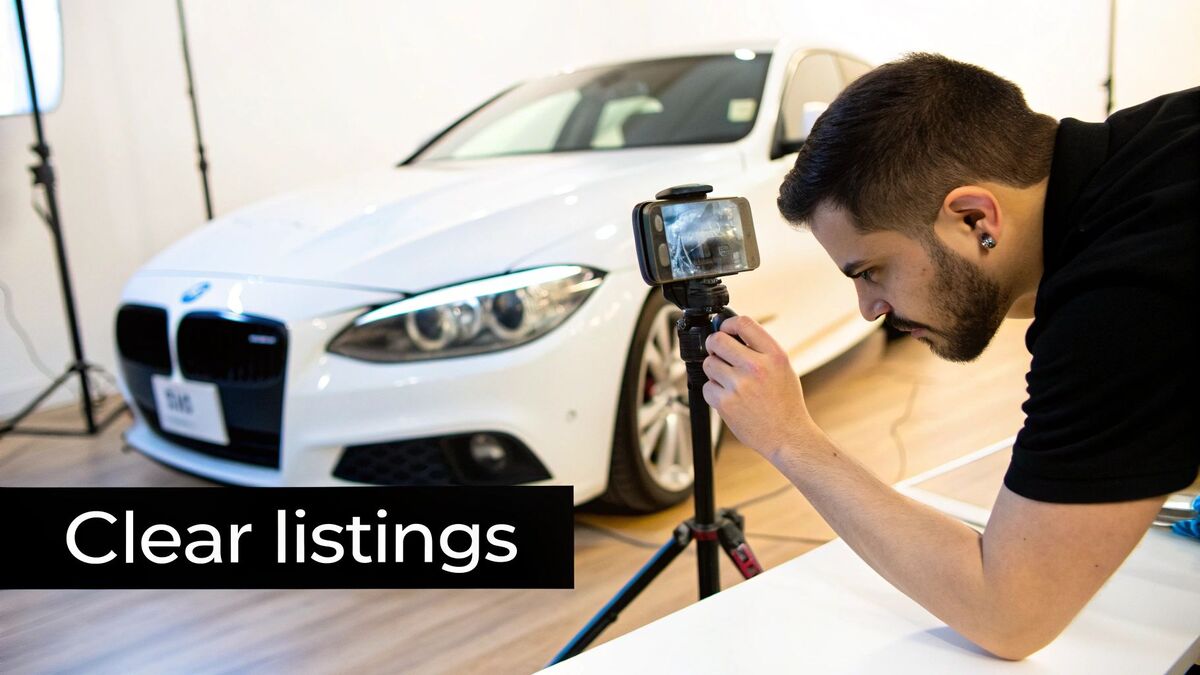
First, clean your parts — a bit of degreaser and a scrub improves appeal and price. Use your phone with good lighting and a clean background, and photograph any damage honestly. A description that sells includes:
- The precise part name — "Driver's side headlight assembly", not just "headlight".
- The donor vehicle's full details — "From a 2009 Ford Falcon FG XR6".
- The part number — the holy grail for confirming compatibility.
- Honest condition notes and the vehicle mileage at removal for major mechanical parts.
Choosing where to sell
- eBay — best for rare, high-demand, shippable parts reaching a national audience (fees often 10–15%).
- Gumtree — best for large, heavy items for local pickup; generally free.
- Facebook Marketplace — quick local sales and bulky items; huge user base.
- Specialist forums — best for niche, classic, or performance parts with knowledgeable buyers.
Navigating Australian Paperwork and Legal Rules
Once you start pulling a car apart, it's no longer a roadworthy vehicle. You have a legal responsibility to notify your state's transport authority and officially deregister the vehicle — lodge an "Application for Cancellation of Registration" and hand in the number plates. Keep your proof of ownership documents. Don't tamper with or remove the VIN plate — it needs to stay with the chassis until it's handed to a licensed scrap recycler.
What to Do with the Leftover Car Shell
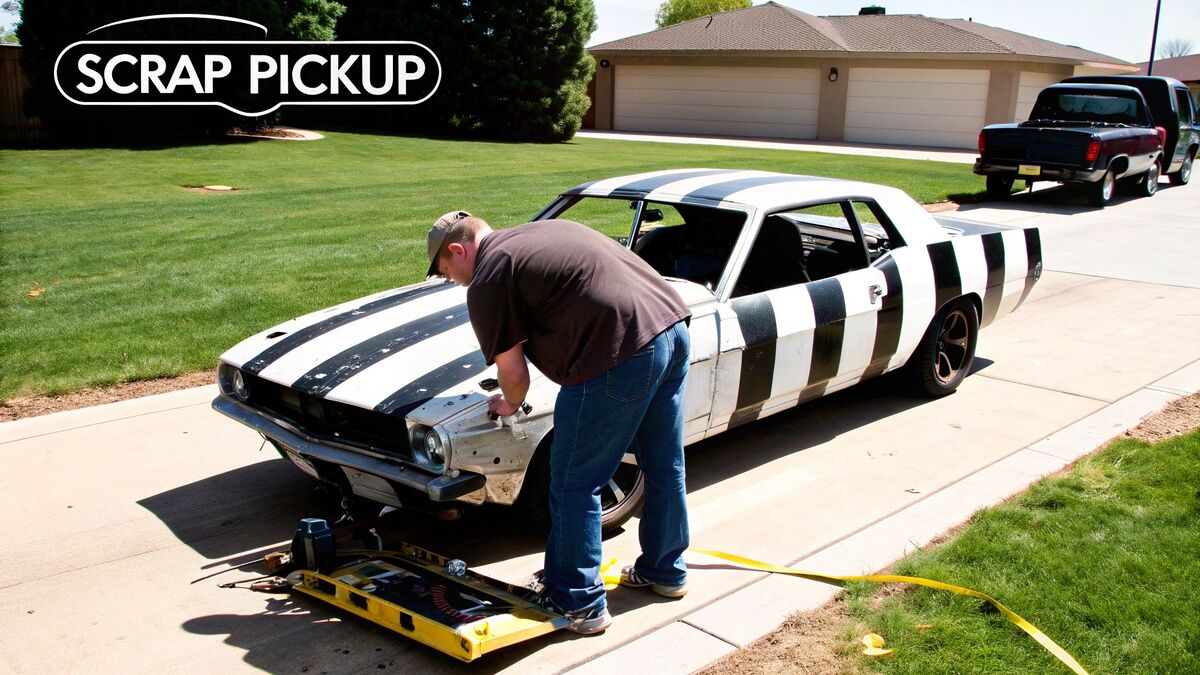
Once you've pulled every sellable part, the bare metal chassis is still scrap metal with real value. A local scrap metal dealer or car removal service will pay for the weight of the metal, and the good ones offer free collection. Have your proof of ownership, photo ID, and deregistration confirmation ready. Drain all remaining fluids first — never pour them down the drain or onto the ground; most councils accept hazardous materials, often for free.
Common Questions About Parting Out a Car
Do I need a special licence to sell car parts?
If you're parting out a single car you own, you generally don't need a business licence. But if you start buying cars specifically to dismantle for profit, you're in business territory and would likely need an ABN and to follow state motor-wrecker regulations.
What are the most profitable parts to sell?
The engine and transmission, the catalytic converter, straight body panels and lights, and unique or hard-to-find items like specific alloy wheels or rare interior trim.
How should I ship large or heavy parts?
For bulky items like an engine or door, local pickup is best. If you must ship, use a freight service and prep carefully — strap the part to a pallet and wrap it well. Don't cheap out on packaging, and insure anything valuable.
What if I can't sell all the leftover parts?
Bundle the miscellaneous bits into a "bulk lot" at a bargain price, then take whatever remains to a scrap metal recycler to responsibly clear out the clutter.
We offer competitive cash prices with on-the-spot payment and free towing anywhere in Adelaide.