
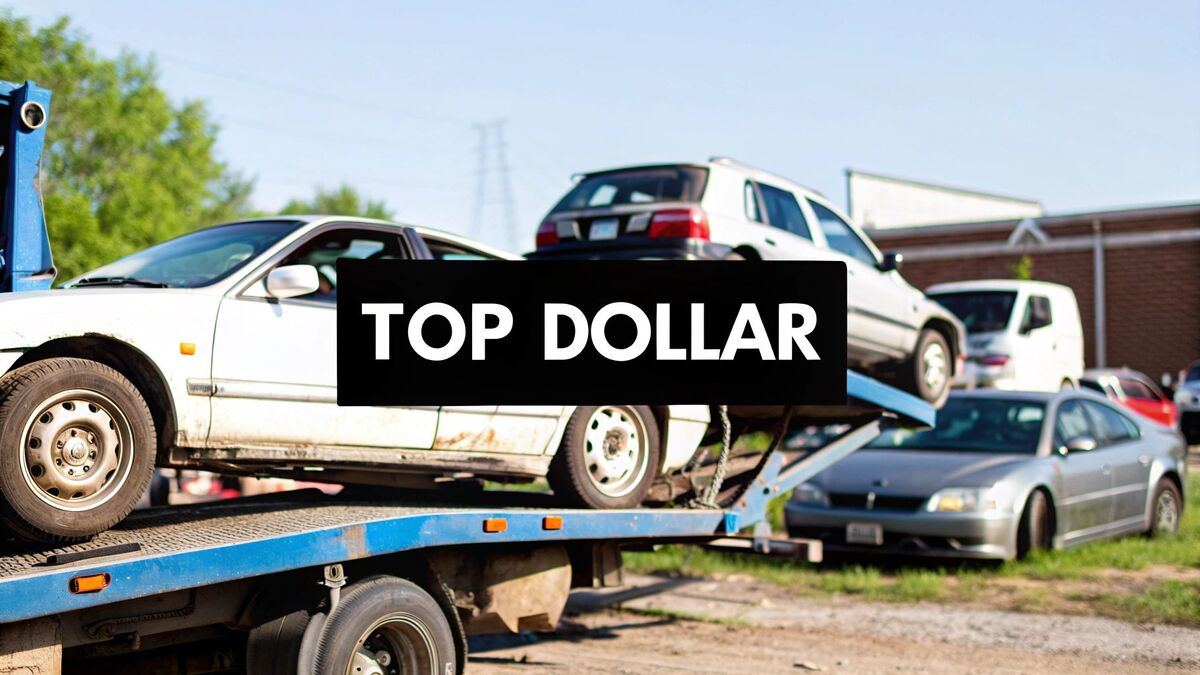
Got an old car that's seen better days? Turning it over to a wrecker isn't a last-ditch effort — it's often the smartest and most profitable move you can make, converting a vehicle that's taking up space into quick cash without the headaches of a private sale.
Why Selling to a Wrecker Is Your Smartest Move
Selling an old, damaged, or non-running car privately can be a nightmare of low-ball offers, tyre-kickers, and endless paperwork. Wreckers see the value in parts and scrap metal, letting you unlock the car's remaining worth with a single phone call.
- Instant cash in hand — valued for scrap metal weight and salvageable parts, often with same-day payment.
- Zero hidden costs — no ads, no pre-sale repairs, no roadworthy certificate; a good wrecker takes the car as-is with free towing.
- A greener choice — wreckers are the unsung heroes of automotive recycling.
Selling to a professional wrecker ensures every usable part gets a second life and hazardous fluids are disposed of safely, keeping them out of our environment.
The financial and environmental upside is real. Over 80% of a vehicle's material is recyclable metal, which is why even a written-off car has worth—the bulk of it is reclaimed steel, aluminium, and copper rather than landfill.
What Your Car Is Really Worth to a Wrecker
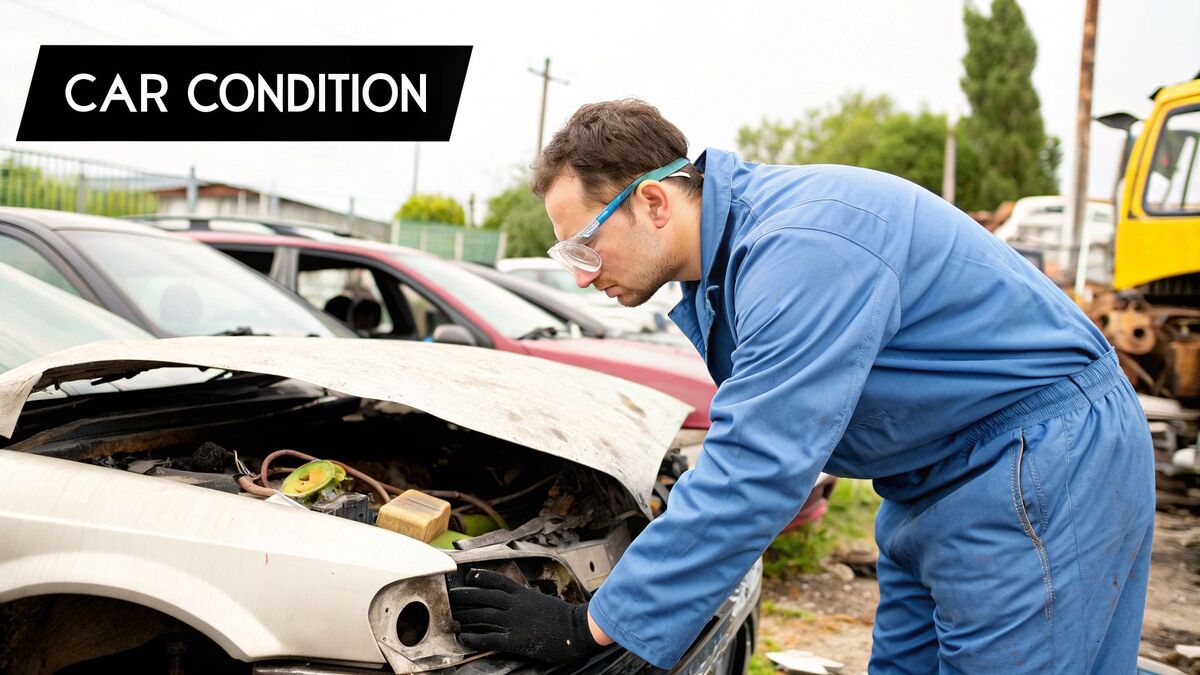
The starting point is always make, model, year, and condition, then the current scrap metal price — which changes daily, so last month's quote won't match today's. Beyond the basics, some parts seriously boost value:
- Engine and transmission — if in decent order or easily reconditioned, often the most valuable part of the car.
- Catalytic converter — packed with platinum, rhodium, and palladium.
- Body and interior — doors, bonnets, bumpers, seats, and dashboards in good nick can be sold on.
A wrecker's offer is a mix of scrap value and the resale potential of its parts. A complete car, even a non-runner, is almost always worth more than one stripped before the wrecker arrives.
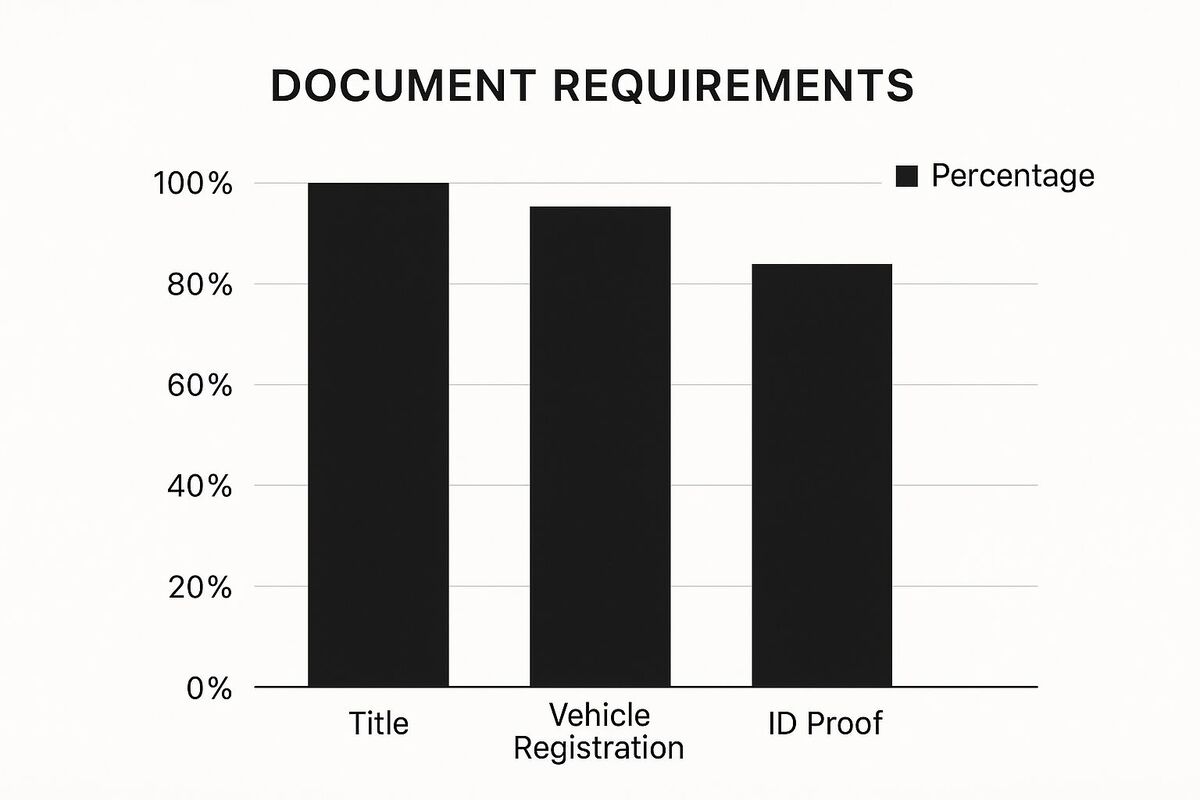
Proof of ownership is non-negotiable — having your title and registration papers ready makes the whole process smoother.
Getting Your Car Ready for a Hassle-Free Sale
Give the car a final, thorough clean-out — glove box, console, door pockets, under the seats, and the boot. Then get the paperwork in order:
- Proof of ownership — your registration certificate.
- Personal ID — a valid driver's licence or other government photo ID.
- Proof of purchase — if you still have it, it can speed things along.
Don't strip valuable parts or drain fluids yourself. Wreckers base their offer on a complete vehicle — removing the battery, stereo, or catalytic converter lowers your payout, and handling fluids without the right gear is messy and dangerous.
Getting Paid and Saying Goodbye
A good wrecker locks in a pickup time that suits you, often with weekend or after-hours collection. On the day:
- Signing the paperwork — the driver brings the ownership transfer forms.
- Showing your ID — to match your details to the car's ownership.
- Getting your money — paid right then in cash, company cheque, or instant transfer.
Never hand over your keys or sign the final papers until payment is confirmed. A legitimate wrecker pays you before they hook up your car, not after.
Afterwards, lodge a Notice of Disposal with your state's transport authority straight away to protect yourself from future fines or tolls, and cancel your registration and insurance.
You're dealing with a well-established industry, not a fly-by-night trade. Australia is home to around 990 auto wrecking businesses employing roughly 3,800 people, so there's no shortage of licensed, professional operators ready to collect your car.

Common Mistakes to Avoid
With the sector projected to be worth around $1.3 billion by 2025, there's plenty of genuine competition for your car—so it pays to shop around. The biggest mistake is accepting the very first offer. Different wreckers need different things — one might be flush with Toyota parts but short on Holden bits — so 30 minutes getting three quotes can put hundreds of extra dollars in your pocket. Watch for unlicensed operators who lure you with a big phone promise then chip away at the price on arrival, and never forget to lodge the Notice of Disposal.
Got Questions? We've Got Answers
What if I can't find my rego papers?
Not a deal-breaker. You'll need your driver's licence and the car's VIN, and a reputable wrecker can usually verify you're the legal owner through official databases.
How do wreckers calculate their offer?
A mix of three things: the make, model, and age of your car; the current daily scrap metal price; and the demand for its salvageable parts. A busted Commodore with a sought-after engine might beat an older running car with no high-demand parts.
Do I need to be there for pickup?
Not always — many wreckers offer contactless removal as long as you've sorted everything beforehand and left the keys and signed paperwork in a pre-arranged, secure spot.
We offer competitive cash prices with on-the-spot payment and free towing anywhere in Adelaide.