
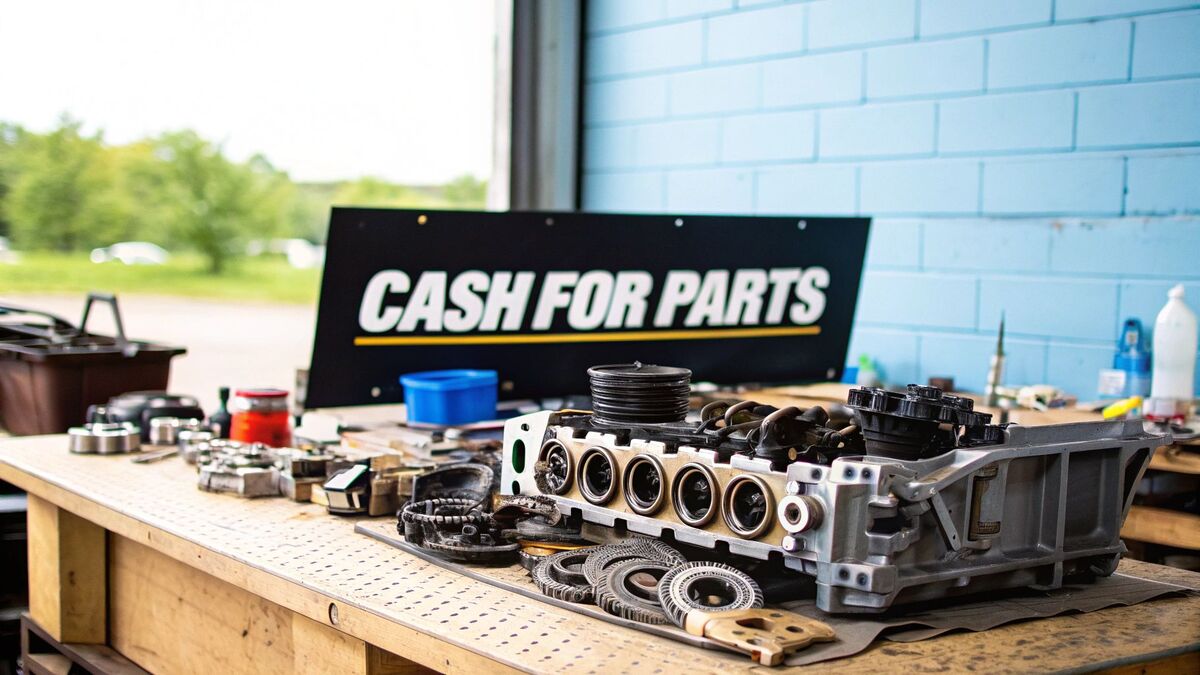
That old car in your driveway is a potential goldmine of valuable components. If you're willing to get your hands dirty, you can strategically dismantle the vehicle, pick out the high-demand items, and connect with the right buyers — turning what looks like junk into a profitable and surprisingly eco-friendly project.
Why Bother Recycling Auto Parts?
There's huge demand for second-hand components from owners looking for cheaper repairs, which creates a ready-made market for whatever you salvage. Research found Australian drivers could save an average of $2,144 each over five years by using recycled parts instead of new — a nationwide saving of about $15.5 billion. Think about it: with over 20 million vehicles on our roads and about 500,000 of them hitting the end of the line each year, the industry manages to achieve a recycling rate of around 75%. Every year, about 850,000 vehicles hit the end of the road, creating a massive 1.36 million tonnes of waste — and while we manage to recycle around 70% of that, a huge amount still gets buried.
- Maximise your payout — selling individual parts almost always beats selling the whole car for scrap weight.
- Do your bit for the planet — reusing parts cuts the energy and raw materials of new manufacturing.
- Support a smarter system — keeping valuable materials in use and out of landfill.
High-value parts to prioritise
- Engine and transmission — $200 to $1,500+; sell to rebuilders, mechanics, or online marketplaces.
- Catalytic converter — $100 to $800+; sell to specialised recyclers for precious metal recovery.
- Alternator and starter — $30 to $150; often sold to auto electricians or remanufacturers.
- Wheels and tyres — $50 to $400 a set.
- Radiator and condenser — $20 to $100 for the aluminium and copper value.
- Battery — $10 to $30; return to an auto parts store or battery recycler.
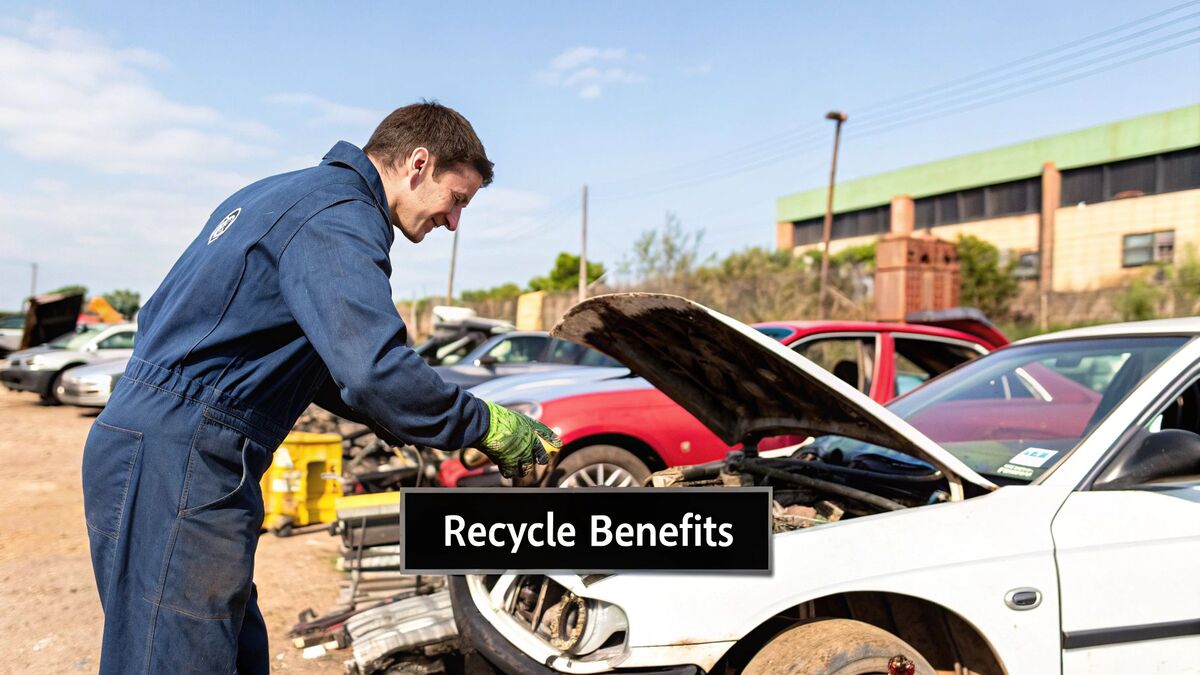
Setting Up Your Workspace for Safe Dismantling
Find a flat, stable surface like a concrete garage floor or level driveway, with good lighting and plenty of ventilation. One of the first and messiest jobs is draining the fluids — toxic to you and the environment, with hefty fines for illegal dumping:
- Engine oil — a standard oil drain pan is perfect.
- Coolant (antifreeze) — highly toxic; use a dedicated, clearly labelled container.
- Fuel — use an approved fuel caddy or jerry can, never a regular bucket.
- Transmission and brake fluid — keep separate, as they're recycled differently.
Take the drained fluids to a proper disposal facility — most council recycling centres or auto shops accept them for free.
Always work in a well-ventilated space around fuel and chemical fumes, and never drain fluids near an open flame, heater, or anything that could spark.
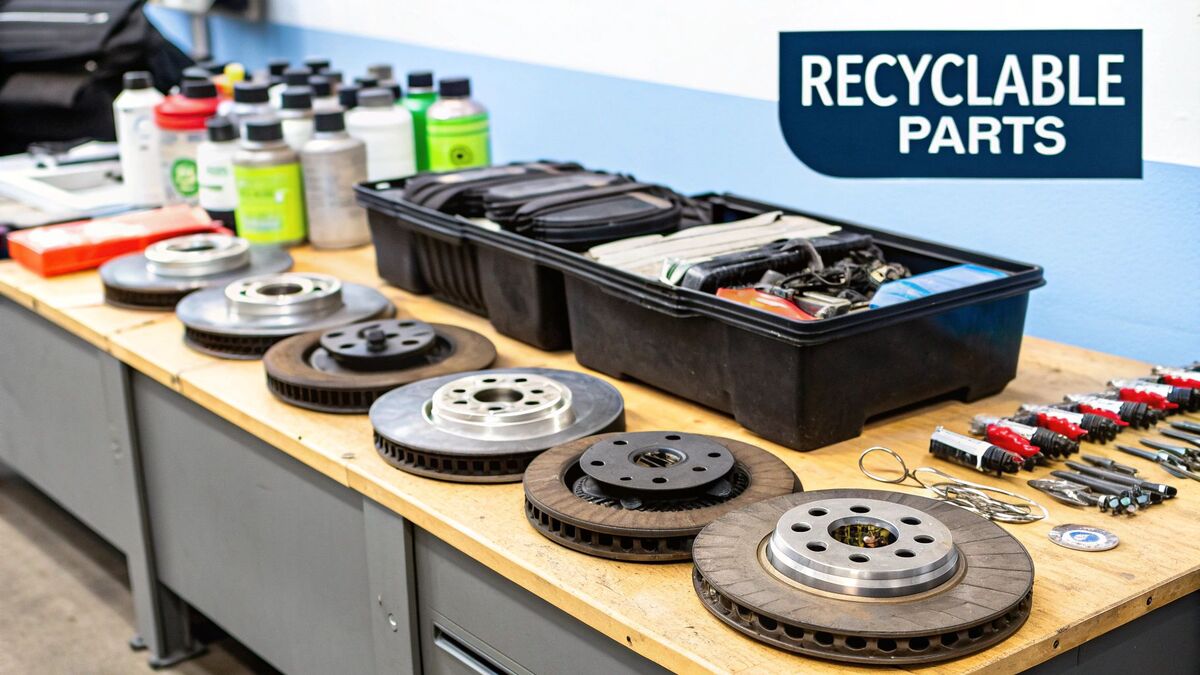
How to Identify and Remove Valuable Parts
Don't yank bits off at random — there's a method that saves time and prevents damage. Start with the easy, accessible items: the battery first, then the alternator, starter motor, and radiator at the front of the engine bay. Then tackle the big-ticket items — the engine, transmission (an engine hoist is essential), and the catalytic converter underneath, where the real money is.
Get a bunch of zip-lock bags and a marker. Bag and label every part's bolts and brackets as you remove it — it makes the parts far more appealing to a buyer.
- Take photos as you go — a visual reminder of how everything connects.
- Use penetrating oil — spray rusty bolts and let them soak ten minutes.
- Don't cut wires or hoses — a complete wiring harness or intact hose is worth more than a chopped-up one.
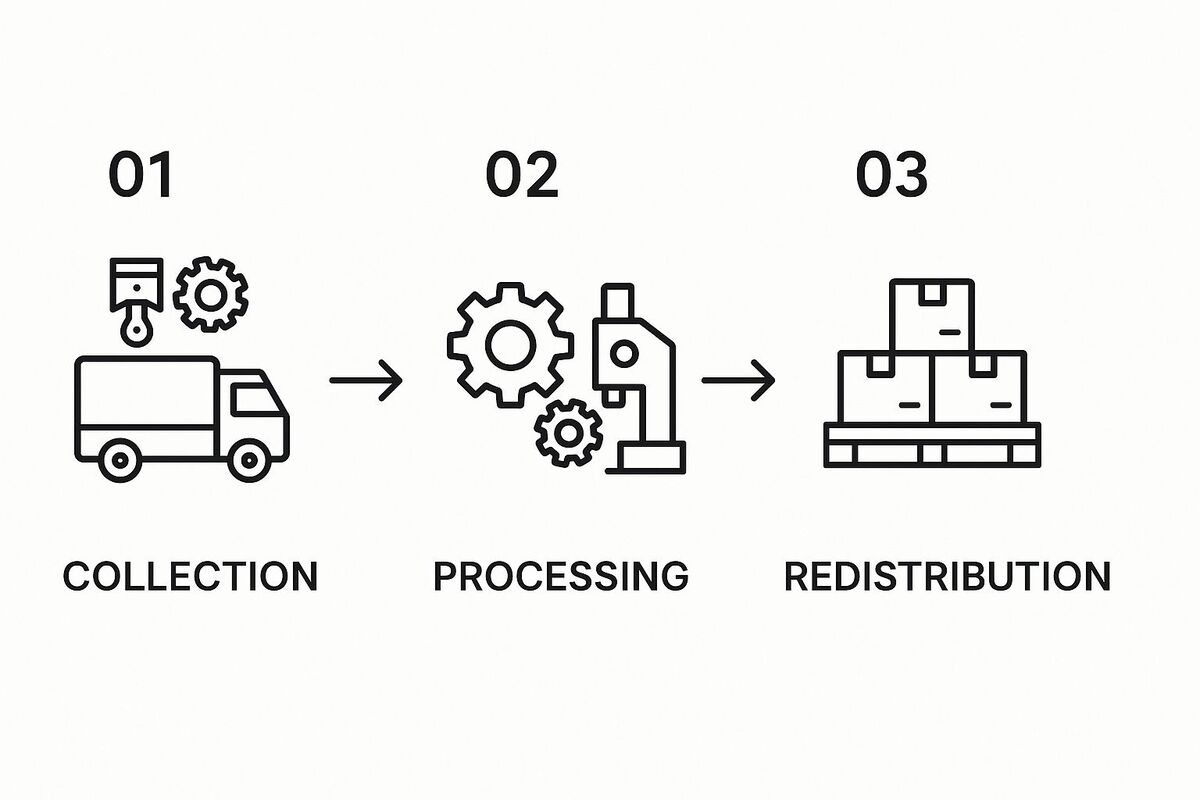
Sorting and Selling Your Recycled Parts
A quick wipe-down with degreaser makes parts more appealing and helps justify a higher price. Sort your haul into three piles:
- High-value resale parts — functional, in-demand items like engines, transmissions, alternators, and starter motors, sold individually.
- Scrap metal — everything else metal not worth selling alone; separate ferrous (steel, iron) from non-ferrous (aluminium, copper).
- Specialty items — batteries and catalytic converters, sold to specialised recyclers.
For high-value parts, online marketplaces like eBay and Gumtree reach DIY mechanics nationwide. For a faster sale, local auto wreckers buy in bulk and pay on the spot. And for scrap metal, a local dealer weighs it and pays you then and there.
Getting the shell ready for its final trip
Once everything valuable is stripped, you're left with the bare metal skeleton — still worth something. Before a scrap recycler hauls it away, strip out any leftover plastics, do a final fluid check, and have your proof of ownership ready, since you'll need it to legally sell the body.

Got Questions? We've Got Answers
How much can I actually make from one car?
It depends on make, model, age, and what's still working. A good alternator might fetch $50–$150 and a catalytic converter hundreds; add the scrap value of the shell and you could see anywhere from a few hundred to well over a thousand dollars.
Do I need a special licence to sell off car parts?
As a private individual parting out your own car, generally no — it's a private sale of your own goods. If you start buying cars to part out regularly, you'll likely need to register as a business.
What are the biggest mistakes people make?
Cutting corners on safety (never get under a car that isn't rock-solid on jack stands), mishandling fluids, presenting greasy parts as junk, and not researching what parts are worth before selling.
We offer competitive cash prices with on-the-spot payment and free towing anywhere in Adelaide.