
When a car reaches the end of its life, it's not just waste. It's a goldmine of resources that can be put back to use, saving a massive amount of raw materials and keeping our landfills from overflowing. This is the heart of the circular economy, and it's a process that benefits the environment while putting cash in your pocket right here in Adelaide.
Why Recycling Your Car Parts is a Smarter Choice
That old car taking up space in your driveway isn't just an eyesore. It's a repository of steel, aluminium, precious metals, and components that can be given a second life. Making the decision to recycle it is one of the most practical and impactful environmental moves you can make.
It's a Big Deal for the Environment
Every single vehicle we recycle is a clear victory for the planet. Making new car parts from scratch—mining, refining, and shipping raw materials—is incredibly energy-hungry with a hefty carbon footprint. Auto recycling neatly sidesteps most of that by feeding existing, high-quality materials directly back into the manufacturing loop.
The scale of this issue in Australia is staggering. Each year, around 850,000 vehicles are taken off the road, creating about 1.36 million tonnes of waste. While we recycle roughly 70%, that still leaves over 400,000 tonnes of perfectly good material being dumped in landfills every year.
Recycling just one car saves over 1,100 kilograms of iron ore, 635 kilograms of coal, and 54 kilograms of limestone. It's not just about getting rid of an old car; it's about safeguarding our finite natural resources for the next generation.
The Payoff for You and the Community
The benefits go far beyond just being green. It fuels a strong local economy centred around sustainability, creating skilled jobs for tow truck drivers, mechanics who handle the dismantling, and technicians who sort and process the raw materials. For you, the benefit is simple and immediate: cash in hand. Instead of paying someone to haul away your old vehicle, we pay you for it on the spot.
What Makes Your Car Valuable
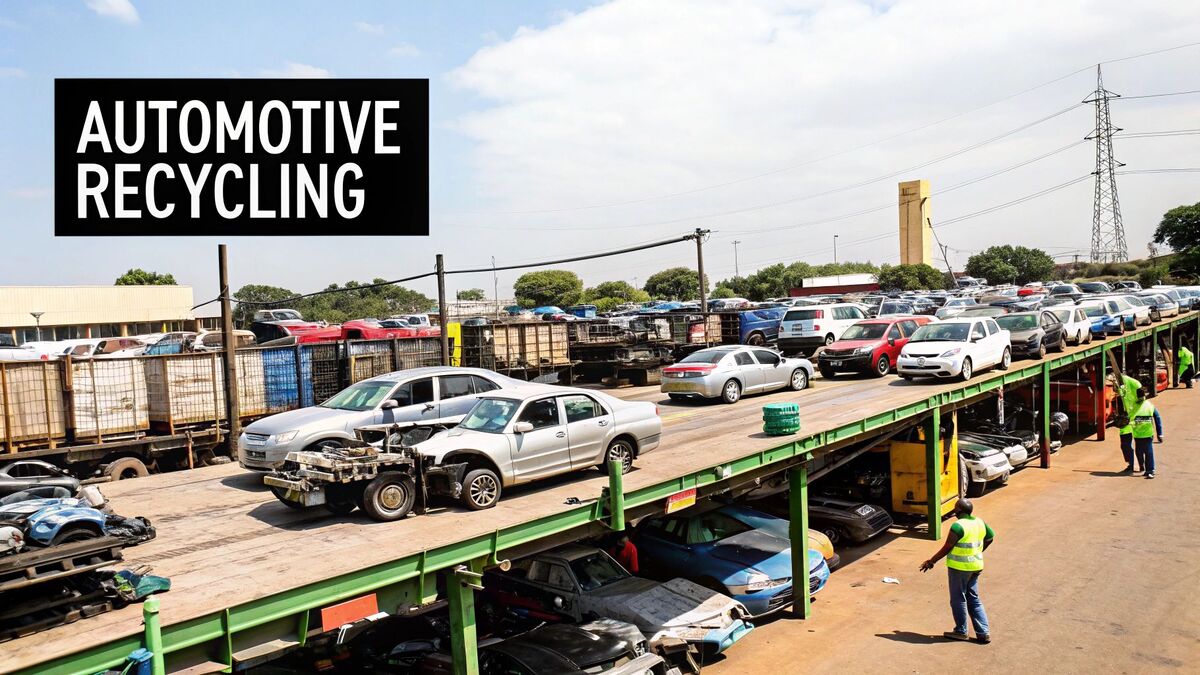
Ever wondered what makes one old car worth more than another? It's easy to think of an end-of-life vehicle as a single lump of metal, but the reality is it's a collection of individual assets. While the sheer weight of its steel frame provides a base price, certain high-demand parts can seriously boost your payout.
The Engine and Drivetrain: Your Mechanical Goldmines
The heart and soul of your car—the engine and transmission—are often where the most recycling value is concentrated. These big, complex assemblies are packed with high-quality steel and aluminium. Even a non-running engine is worth a lot more if it's complete and hasn't been picked apart or left to corrode.
That Prized Catalytic Converter
If there's one MVP in the world of automotive parts recycling, it's the catalytic converter. Its incredible value comes from the cocktail of precious metals layered inside its ceramic honeycomb structure:
- Platinum: A highly prised metal you'll also find in jewellery and high-end electronics.
- Palladium: Another valuable metal from the platinum family, essential for all sorts of industrial uses.
- Rhodium: One of the rarest and most valuable precious metals on the planet, known for its incredible resistance to corrosion.
Expert tip: Catalytic converters are a hot target for thieves because they're so valuable. By working with a licensed and reputable recycler, you know the part is handled legally and you're getting paid its full value as part of your vehicle's total price.
Beyond the Big-Ticket Items
While the engine and converter are the headliners, plenty of other parts contribute to the final cash offer. Alloy wheels, made from a mix of aluminium and other metals, are lighter and worth more than your standard steel wheels. Even body panels and bumpers have value, especially if they're in decent nick and from a popular model.
Getting Your Car Ready for a Smooth Pickup
Empty it out completely
First things first, thoroughly clean out all your personal belongings. Check every single spot—the glovebox, under the seats, in the boot, and any other storage compartments. Once our team collects the car, it heads straight to the yard for dismantling, and trying to get anything back after that point is next to impossible.
Sorting the paperwork and plates
You'll need to have your proof of ownership handy, along with a valid photo ID for our driver. You'll also need to fill out a Notice of Disposal — the form that officially signs the car over from you to us, which protects you from any future fines or liability. After we've towed it away, just pop the licence plates off and return them to your local service centre.
A lot of people ask if they need to drain the oil, coolant, or other fluids. The short answer is no—leave that to us. As professional recyclers, we have all the right equipment to handle hazardous materials safely and in line with environmental laws.
Clearing a path for the tow truck
To help our driver get in and out efficiently, make sure the tow truck has clear, safe access to your car. This could be as simple as moving another car out of the driveway or shifting some bins that are in the way.
How the Cash for Cars Process Actually Works
It all starts with a simple phone call or a quick online form. To get the ball rolling, we just need a few key facts about your car:
- Make and model: A 2005 Toyota Corolla has a very different scrap value to a 2002 Holden Commodore.
- Year of manufacture: This gives us a ballpark idea of the materials and specific components inside.
- Overall condition: Be upfront with us—is it a non-runner? Has it been in a major prang? Knowing the real condition helps us give you an accurate quote right from the start.
With that information, we can give you a no-obligation quote right away. Once you're happy with the offer, we arrange a pickup time that works around your schedule, anywhere in Adelaide. When our driver arrives, they'll do a quick walk-around inspection to confirm the car matches your description, handle the ownership paperwork, and pay you on the spot — cash in your hand before we even hook up your car.
Where Car Recycling Is Headed in Australia
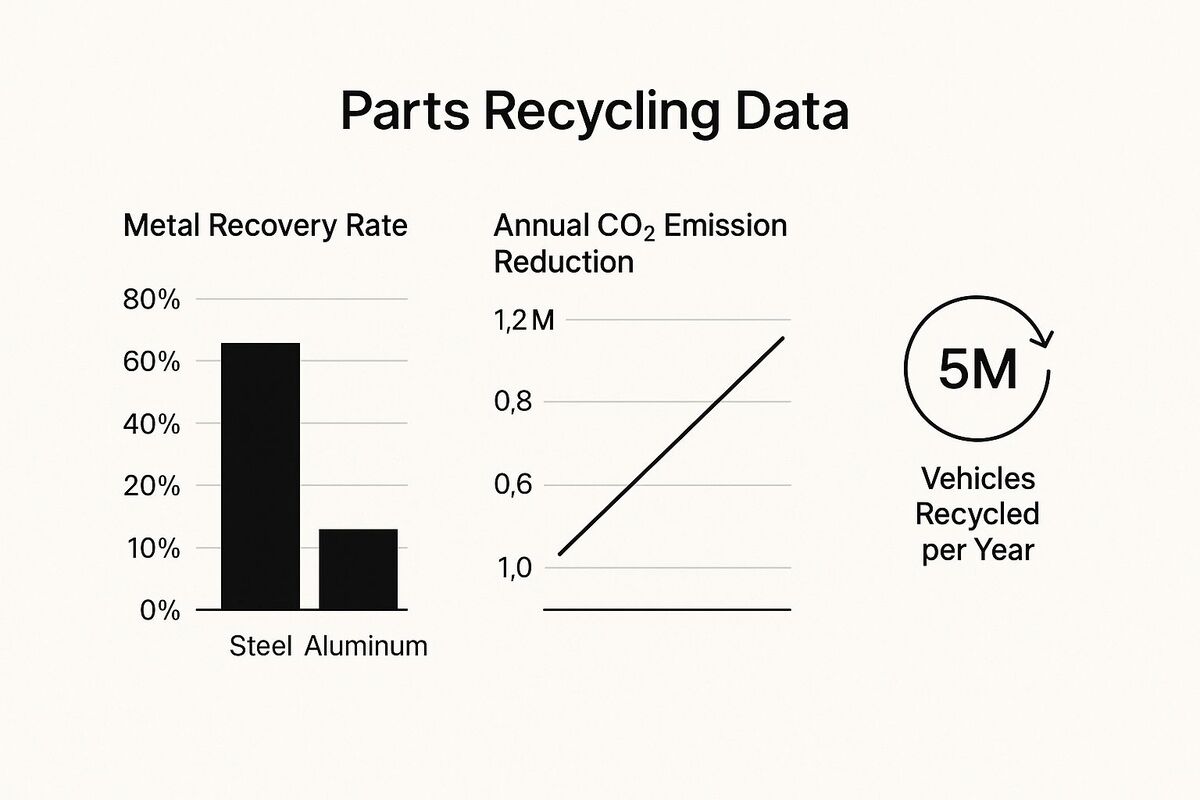
Auto recycling has come a long way from simply crushing cars for their steel. With around 20.1 million vehicles registered across the country in 2022 and roughly 500,000 of them reaching the end of their life every year, the industry is constantly finding smarter ways to recover more from every vehicle. The current recycling rate sits at about 75%, and the goal is to push that figure even higher.
It's Not Just About the Metal Anymore
For years the metal was the prize and the plastics were an afterthought. That's changing fast. The industry is now pouring a huge amount of effort into recycling the plastics found in bumpers, dashboards, and trim, driven by tougher waste laws and manufacturers wanting more sustainable materials. The market for recycled plastics reflects this shift, projected to climb from around USD 869.1 million in 2025 to a massive USD 1.58 billion by 2032.
Smarter Ways to Sort and Recover Materials
New technology is making it possible to recover materials that once ended up in landfill. Next-generation shredders separate ferrous metals like steel from non-ferrous metals like aluminium and copper, while optical sorting tech uses high-speed cameras to identify different plastics by their unique chemical signatures. Together these advances mean far less of your old car is wasted and more of it goes back into the manufacturing loop.
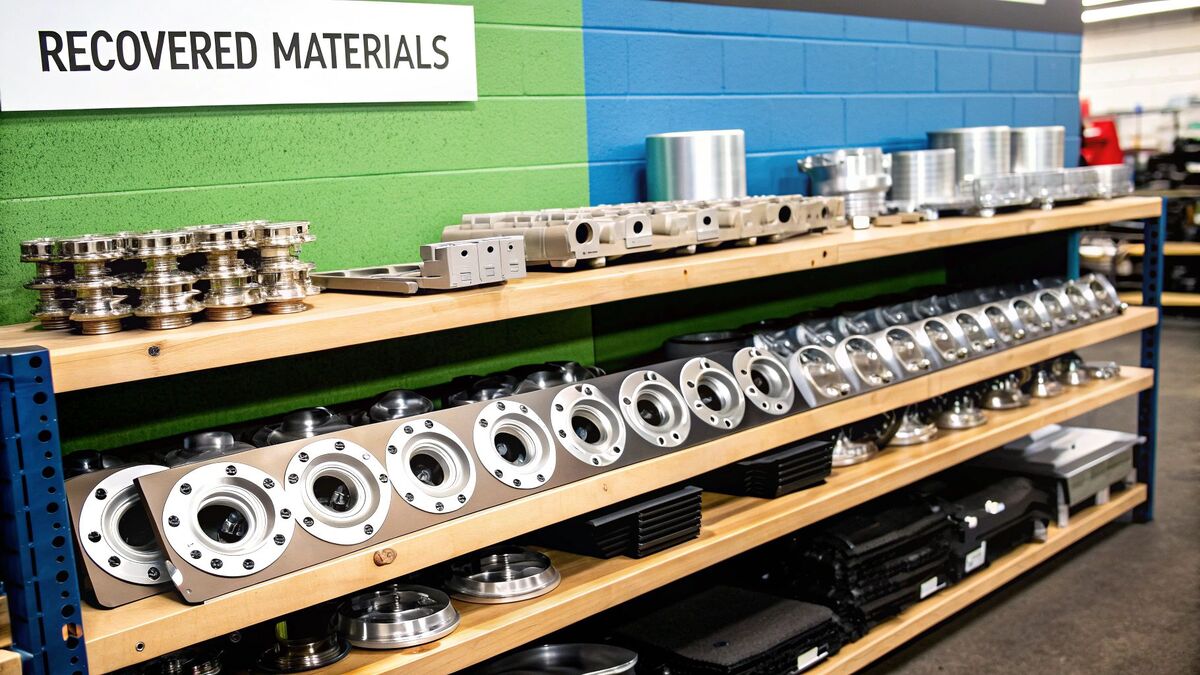
It helps to understand the estimated value of common recyclable automotive components. The catalytic converter is the standout, valuable far beyond its size thanks to the precious metals inside. The engine block and transmission are next, prized for their high-quality steel and aluminium, followed by alloy wheels, the radiator, and the battery, each adding to the final figure based on weight, condition, and current market rates.
Your Car Recycling Questions Answered
What kinds of vehicles do you actually take?
Honestly, we'll take just about anything with wheels — car, ute, van, or truck. It doesn't matter if it's old, been in a smash, written-off, unregistered, or just won't start anymore. Even a vehicle that's been gathering dust for years is a goldmine of steel, aluminium, and other recyclable metals.
How do you figure out what my old car is worth?
The biggest factor is its weight in scrap metal, and we always use the most current rates. But it's not just about the metal — we also look for high-value components like the catalytic converter, a salvageable engine and transmission, and the car's specific make, model, and age.
Do I have to be there when you pick up the car?
Yes, we recommend that you or someone you authorise is there for the pickup. It lets us confirm your identity, get the paperwork sorted so the ownership transfer is above board, and hand over your cash on the spot.
What happens to my car after you tow it away?
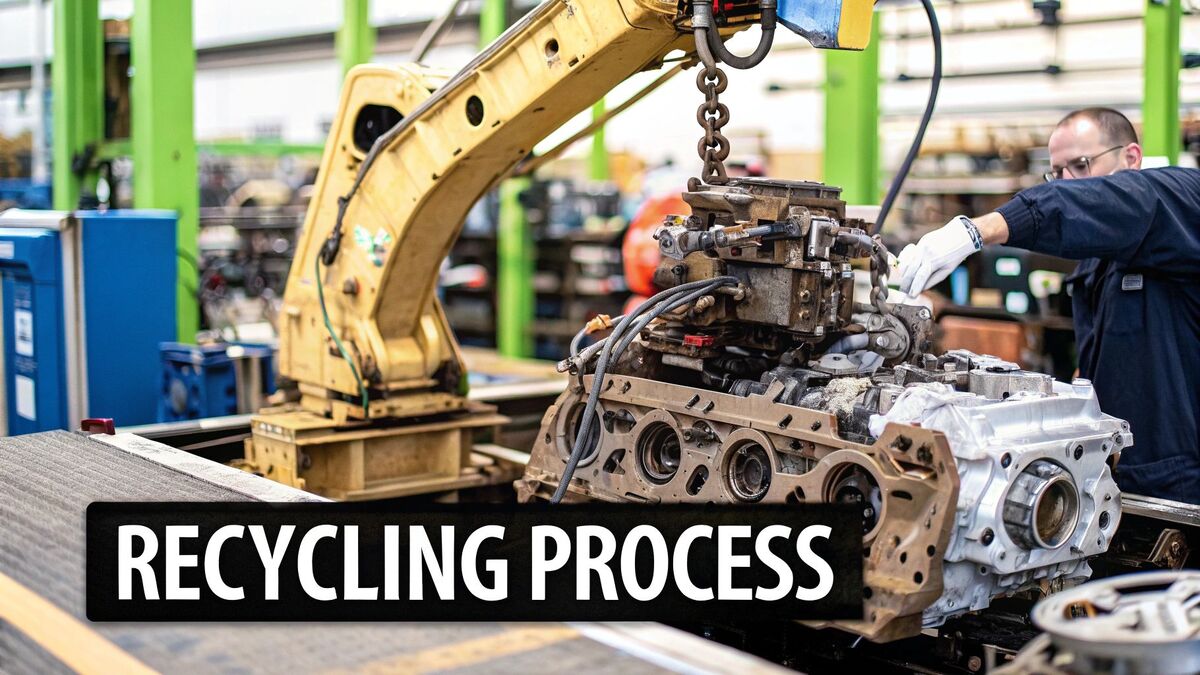
It's taken to a fully licensed recycling facility and dismantled in an environmentally safe way. First, all hazardous fluids are drained by professionals following strict regulations. Then any reusable parts are removed, cleaned and tested for resale, and what's left of the body is processed to separate the metals — so very little ever sees a landfill.
We offer competitive cash prices with on-the-spot payment and free towing anywhere in Adelaide.