
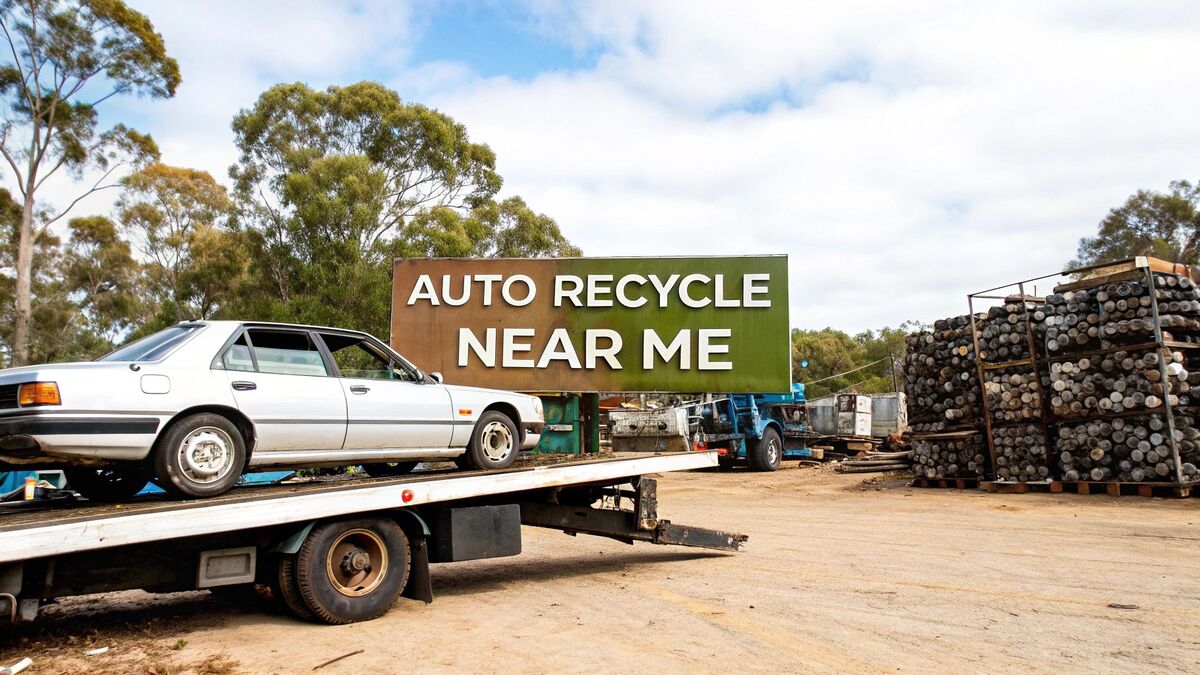
When you decide to find an auto recycler near you, you're making one of the best choices for a car that's reached the end of the road. It's about more than clearing your driveway and getting cash — it's a genuinely impactful environmental decision that supports local businesses and the circular economy.
Why Local Car Recycling Is a Smart Move
The environmental impact
A car that's no longer running is full of hazardous materials. Left to rust in a paddock or dumped in landfill, those substances do serious damage:
- Fluid contamination — engine oil, coolant, brake fluid, and leftover petrol seep into the ground, polluting soil and waterways.
- Heavy metals — the battery alone contains lead and acid, both toxic if mishandled.
A proper auto recycler guarantees these are drained and managed safely under strict environmental rules.
Conserving energy and raw materials
Reusing the steel from just one car saves enough energy to power an average home for almost a year, and recycling metals slashes greenhouse emissions versus making them from scratch. Each year around 850,000 vehicles are retired in Australia — about 1.36 million tonnes of waste — and going local keeps jobs and money in your community.
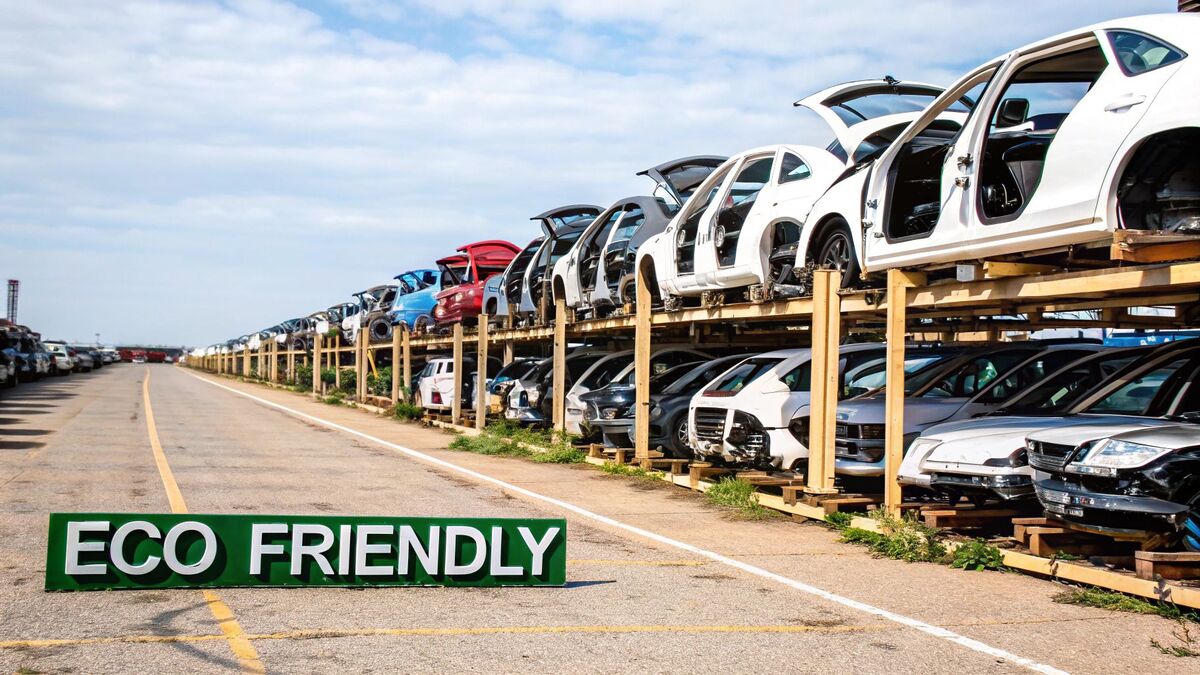
How to Prepare Your Car for Recycling
Give the car a thorough clean-out — the glove box, under the seats, the boot, and side compartments. Then remove the number plates (it's on you in nearly every state) and apply to cancel the registration with your transport authority, which cuts your legal connection to the car.
Wait until after the car is picked up to cancel the registration — the recycler gives you a disposal certificate or receipt that your transport authority may need to see.
Don't drain the fluids yourself — any reputable recycler is equipped to handle them safely. Just confirm they'll manage the full depollution process.
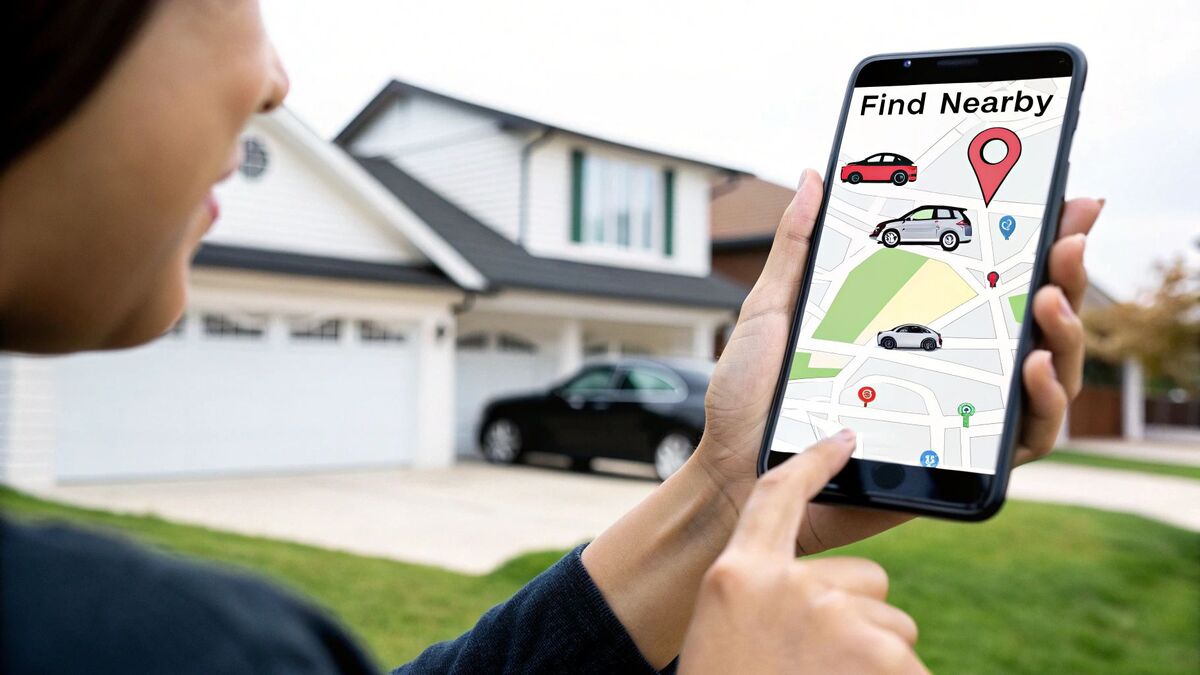
Finding a Reputable Auto Recycler
A trustworthy operator has nothing to hide — a professional website, a physical local address (be cautious of an outfit with only a mobile number), and consistent positive Google reviews about fair prices and reliability. Ask the right questions:
- Is towing completely free? — a good answer is a firm yes within the service area, with no conditions.
- Are there any hidden fees? — the quoted price should be the exact amount you receive.
- What paperwork do you provide? — an official receipt or transfer form as proof of disposal.
- How and when do I get paid? — cash on the spot or an instant bank transfer, not a cheque "later".
Recycling standards vary across the country. We already recycle around 70% of that material, but the regional gap is stark — South Australia is a leader with a material recovery rate of around 78.1%, while the Northern Territory sits much lower at 18.2%. While metals generally have a high national recovery rate (87%), these regional stats highlight why choosing an established recycler who follows best practice really matters. Plastics are catching up too: valued at USD 1.2 billion in 2024, this sector is getting better and better at recovering and reusing materials from cars, like bumpers and dashboards.
Navigating the Necessary Paperwork
The documentation proves one thing: that you're the legal owner. You'll need proof of ownership (your registration certificate or title) and photo identification (a driver's licence whose name matches the registration). If you can't find the certificate, many recyclers verify ownership through official databases using your licence and the car's details.
The most important piece of paper you'll get is the disposal certificate or transfer receipt from the recycler — your legal proof the car is no longer your responsibility.
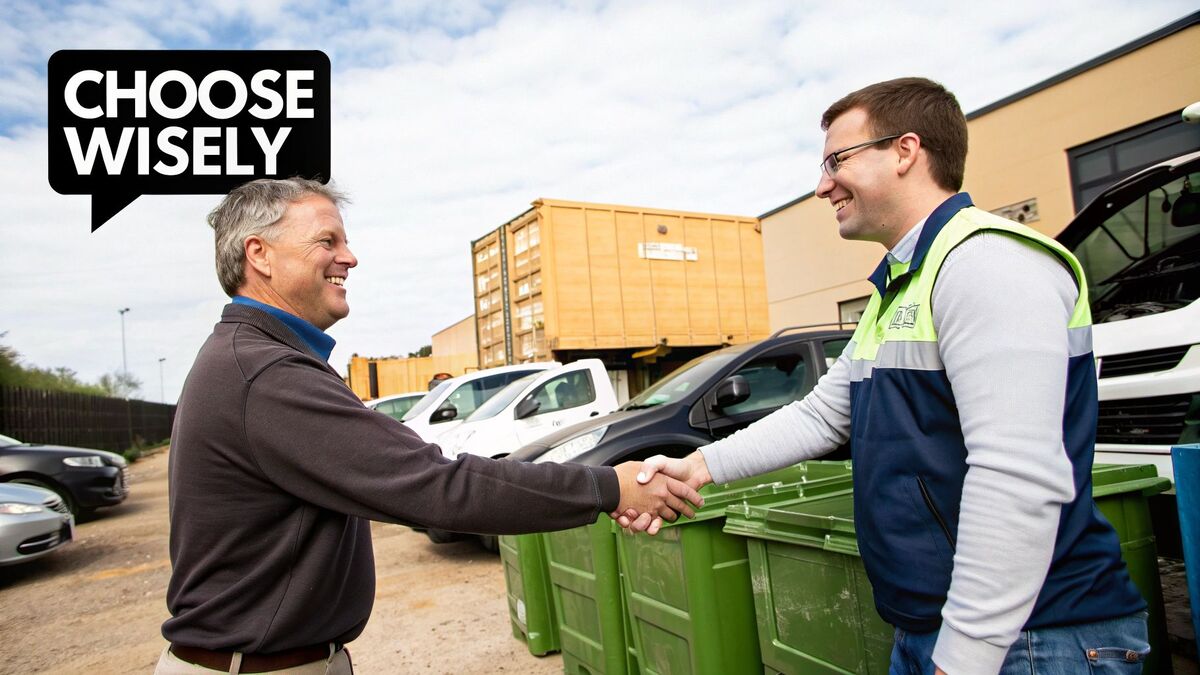
How We Figure Out What Your Scrap Car Is Worth
The biggest factor is kerb weight — most of a car is steel, scrap prices fluctuate daily, and a heavier 4WD or ute is worth more than a small hatchback. Make, model, and age matter too: a 10-year-old Corolla has more in-demand parts than an obscure 25-year-old model. The hidden value is in salvageable parts:
- Engine and transmission — by far the most valuable if in working order.
- Catalytic converter — a hot commodity for its precious metals.
- Alternators and starter motors — common failure points with steady demand.
- Body panels and wheels — straight, undamaged doors, bonnets, and alloys can be salvaged.
Common Questions About Car Recycling
Can I recycle a car without keys or rego papers?
Almost certainly yes — proving you're the legal owner is what matters, usually with a driver's licence matching the registered name. Mention missing keys when you call so the driver brings the right gear.
How much cash can I realistically expect?
It depends on weight, make and model, and current scrap prices. A small older car with little to salvage might fetch $150–$250; a heavier vehicle or one with in-demand parts could fetch $1,000 or more. Get at least three quotes.
What happens to my car after it gets picked up?
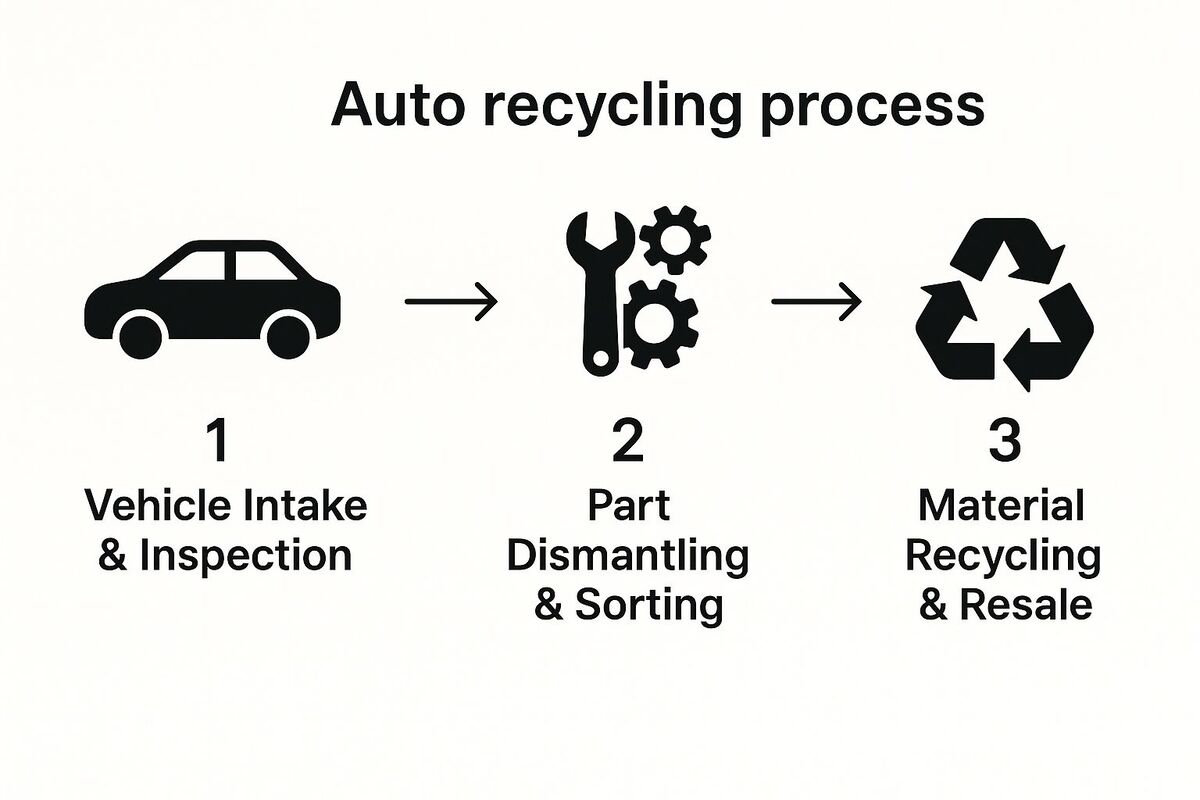
Depollution drains the hazardous fluids; dismantling salvages reusable parts; the shell is shredded; and material separation sorts ferrous from non-ferrous metals for the smelters. Over 80% of your car by weight gets a second life.
We offer competitive cash prices with on-the-spot payment and free towing anywhere in Adelaide.