
Why Auto Part Recycling Is a Smart Move
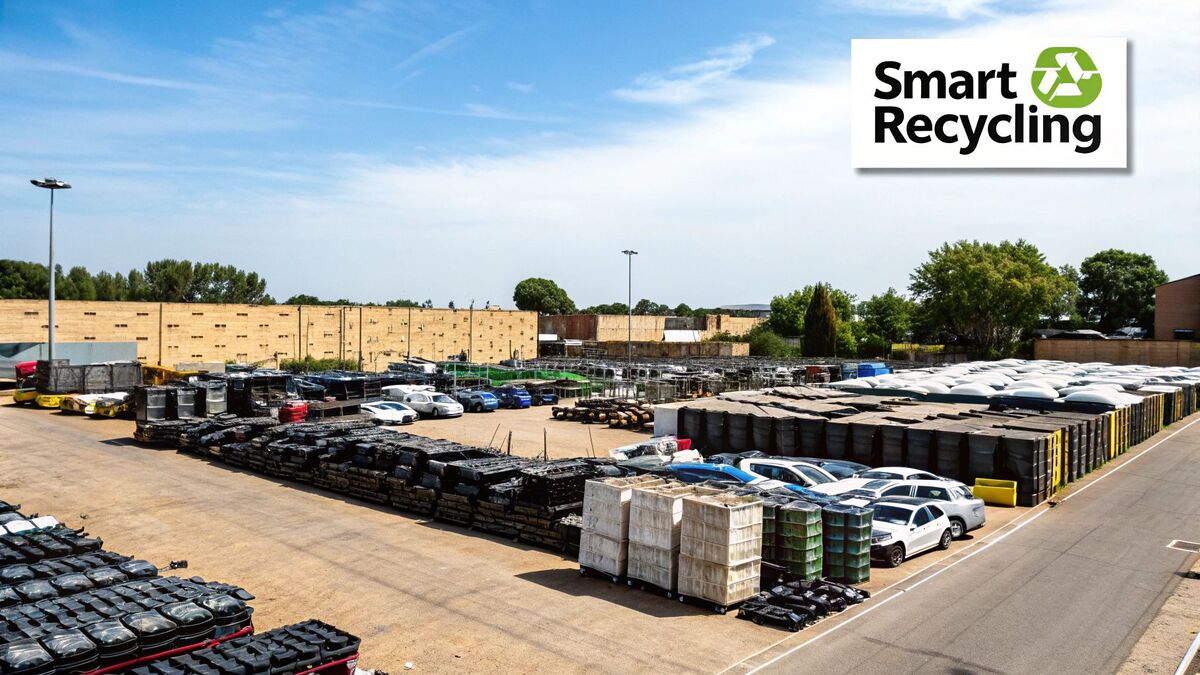
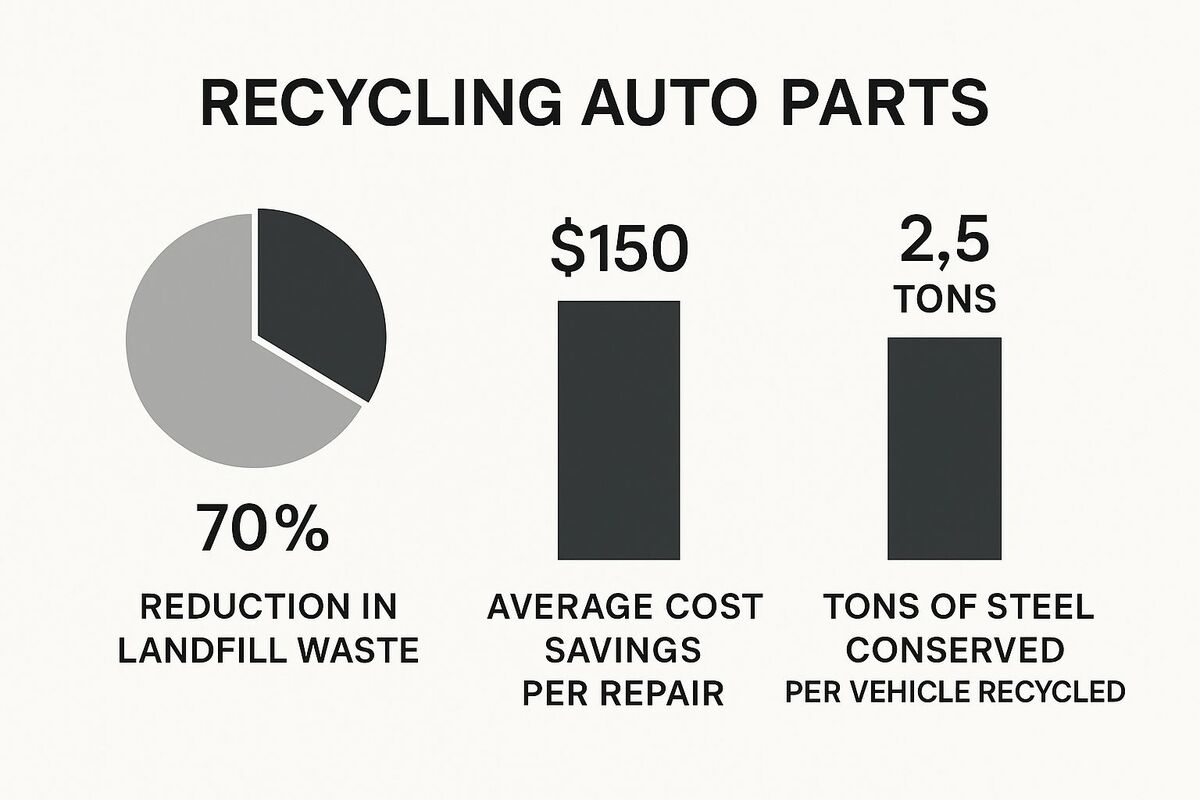
When you recycle your vehicle, you're doing far more than offloading a problem. Every car that gets recycled feeds a circular economy where steel, aluminium, and plastic are recovered and reused instead of rotting in landfill. Forging new parts from scratch is hugely energy-hungry; recycling slashes that demand, conserving resources and cutting greenhouse emissions.
The financial and environmental upside
A recent survey found 82% of Australian vehicle owners are happy to buy recycled parts, mainly because it saves them money — drivers could save an average of $2,144 over five years, and up to 85% on big-ticket items like engines or transmissions compared to buying new. Scaled across the country, the potential nationwide savings could hit a whopping $15.5 billion, and in Australia our vehicle recycling rate hovers around 70-75%, feeding a dismantling sector valued at around $1.3 billion.
By recycling, you're not just earning cash for your vehicle — you're supplying affordable, quality parts that help other drivers stay on the road without breaking their budget.
Getting Your Car Ready for Recycling
Sorting out the paperwork
You need to prove the car is yours to sell — have your proof of ownership (usually the title or registration certificate) handy. If you've misplaced it, your state's transport authority can sort a replacement. You'll also need to remove the number plates and return them to cancel the registration, which formally releases you from responsibility (and may earn a rego refund).
Cleaning out and depolluting
Give the car a thorough clean-out — glove box, boot, under the seats. Most recyclers expect hazardous fluids to be drained to meet environmental laws:
- Engine oil
- Coolant (antifreeze)
- Petrol or diesel
- Brake and transmission fluid
Use proper containers to catch all these fluids. Never tip them down the drain or let them spill onto the ground.
Identifying and Valuing Your Car Parts
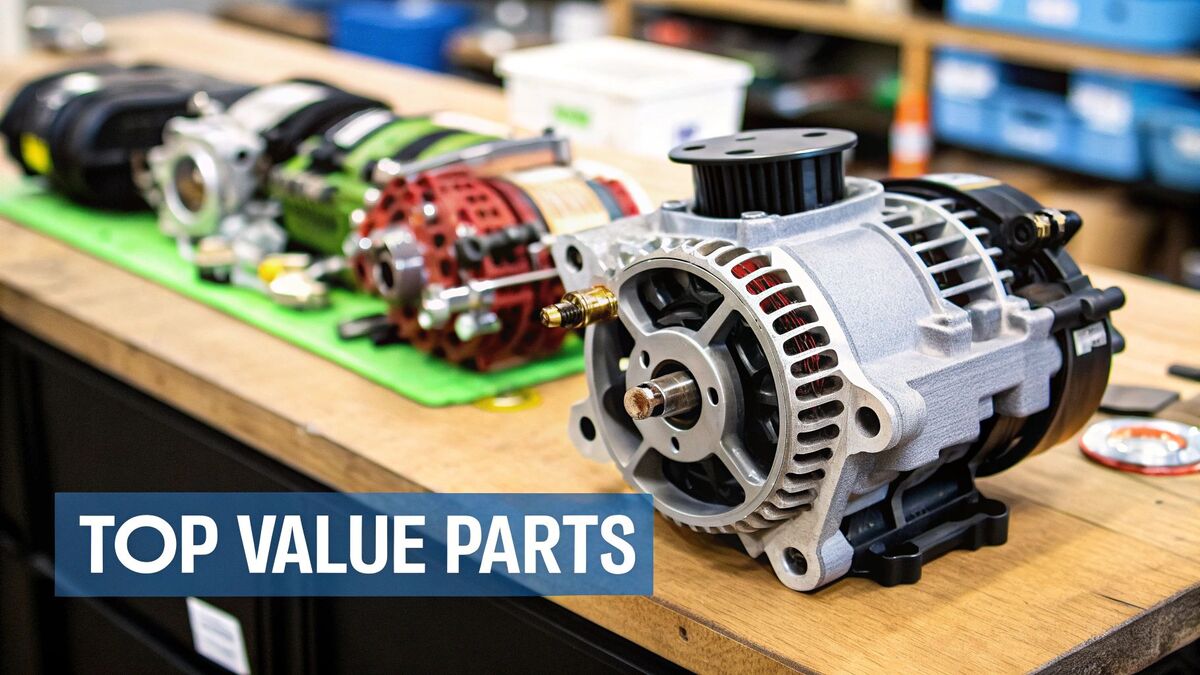
Even a non-runner is often packed with valuable components. Knowing which parts are in demand is the key to a better payout:
- Engine and transmission — by far the most valuable; significant value if in good nick or needing only minor repairs.
- Catalytic converter — a hot-ticket item containing platinum and rhodium.
- Alternator and starter motor — frequently replaced, so always a market for good used units; a tested, functional unit fetches $50–$150.
- Headlights and taillights — crack-free and clear (not faded) units bring $40–$200 per unit.
- Alloy wheels and tyres — a full set of undamaged alloys with good tread brings a tidy sum.
- Body panels and bumpers — straight, rust-free doors, bonnets, and bumpers are always wanted by panel beaters.
As a rough guide, an engine in running condition can fetch $500–$3,000+, a transmission $300–$1,500, a catalytic converter $150–$800, and a set of four alloy wheels $200–$1,000. Make, model, and year all play a huge role, and scrap car values can swing wildly from $300 to over $9,000.
Finding the Right Auto Recycler
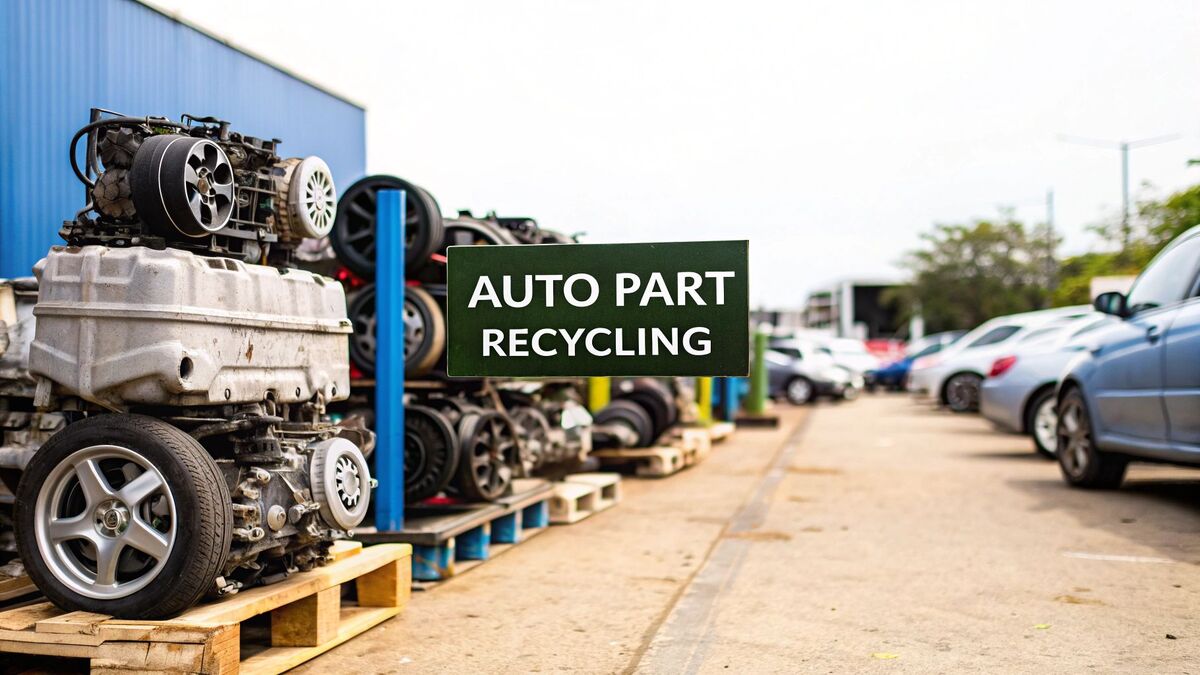
Picking where to take your car is the difference between a fair price and a headache. Search for local wreckers, dig into their online reviews, and look for a consistent pattern of fair pricing and professional service. Recurring complaints about last-minute price changes are a serious red flag. Any legitimate recycler will hold the proper state environmental and business permits and won't mind proving it.
A massive scrap processor gives a quick price based on weight; a specialised dismantler might offer more if your car has specific parts in high demand.

Finalising the Sale and Getting Paid
When the tow truck arrives, the driver verifies the car's identity via the VIN, checks the parts you mentioned are present, and confirms its condition matches your description. If it's sold purely for scrap, it's weighed on a calibrated weighbridge. Then:
- Payment method — cash on the spot is king; bank transfers are fine, but confirm funds have cleared before the car is towed.
- Proof of sale — insist on a receipt or notice of disposal as proof you've sold the vehicle.
- Transfer forms — sign a transfer of ownership form so the transport authority knows you're no longer the owner.
Got Questions About Car Recycling?
What if I can't find my paperwork?
It's usually not a deal-breaker. Contact your state transport authority for a replacement, or ask the recycler what other documents prove ownership — some accept a driver's licence with an old rego notice. Call ahead to confirm.
How do I deal with hazardous parts?
Leave them to the professionals. Batteries hold corrosive acid and lead, an undeployed airbag is essentially a controlled explosive, and air-conditioning refrigerant is a greenhouse gas that must be captured by a licensed technician. Recyclers have the equipment and training to depollute safely.
We offer competitive cash prices with on-the-spot payment and free towing anywhere in Adelaide.